
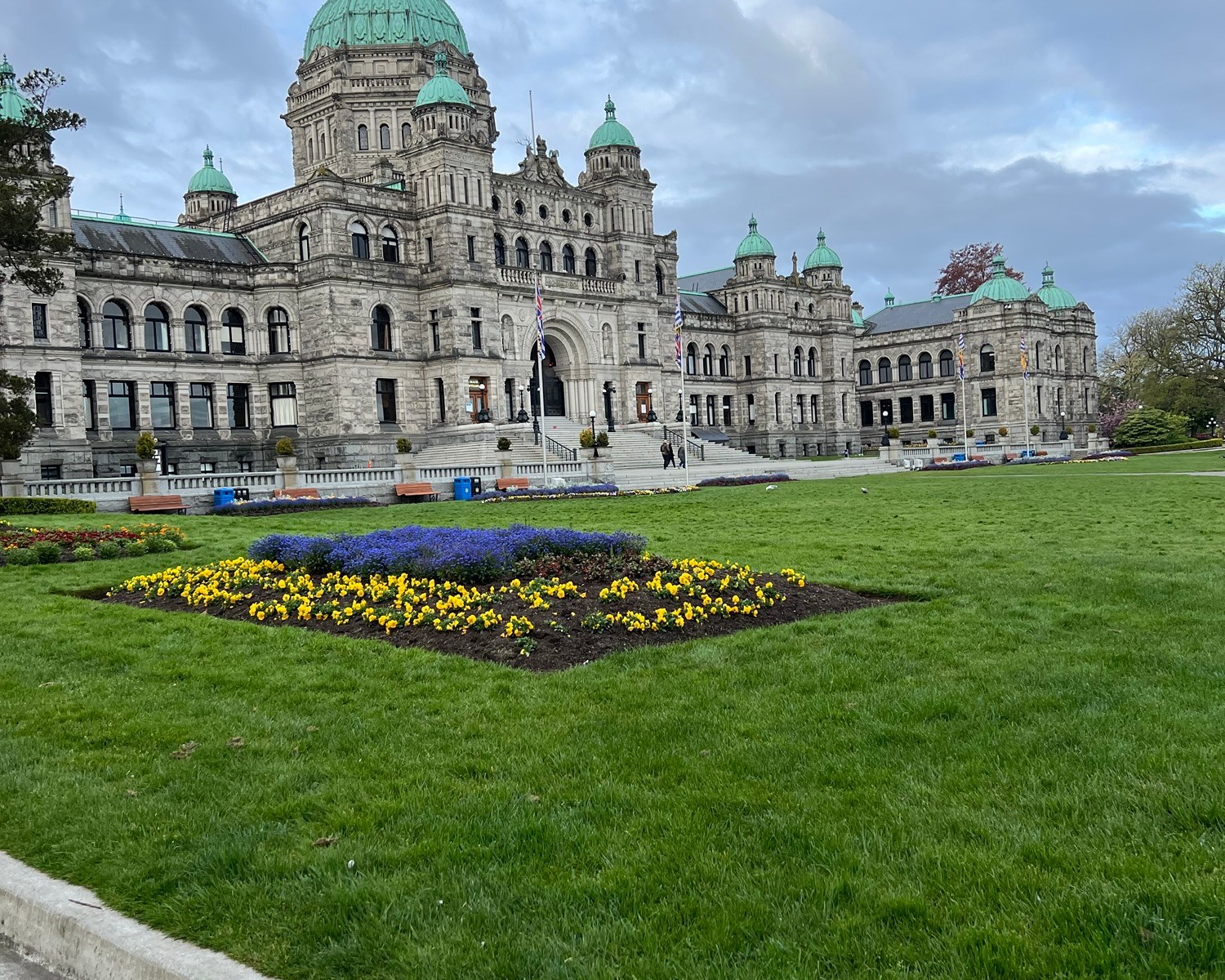
This week was one for the books.
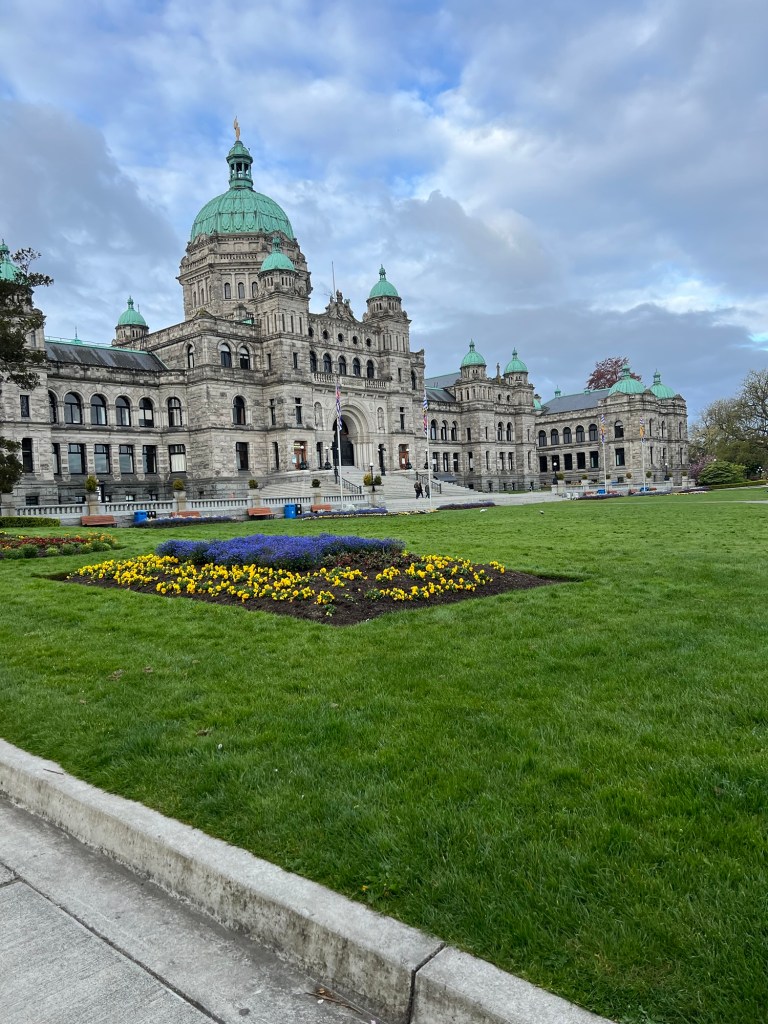
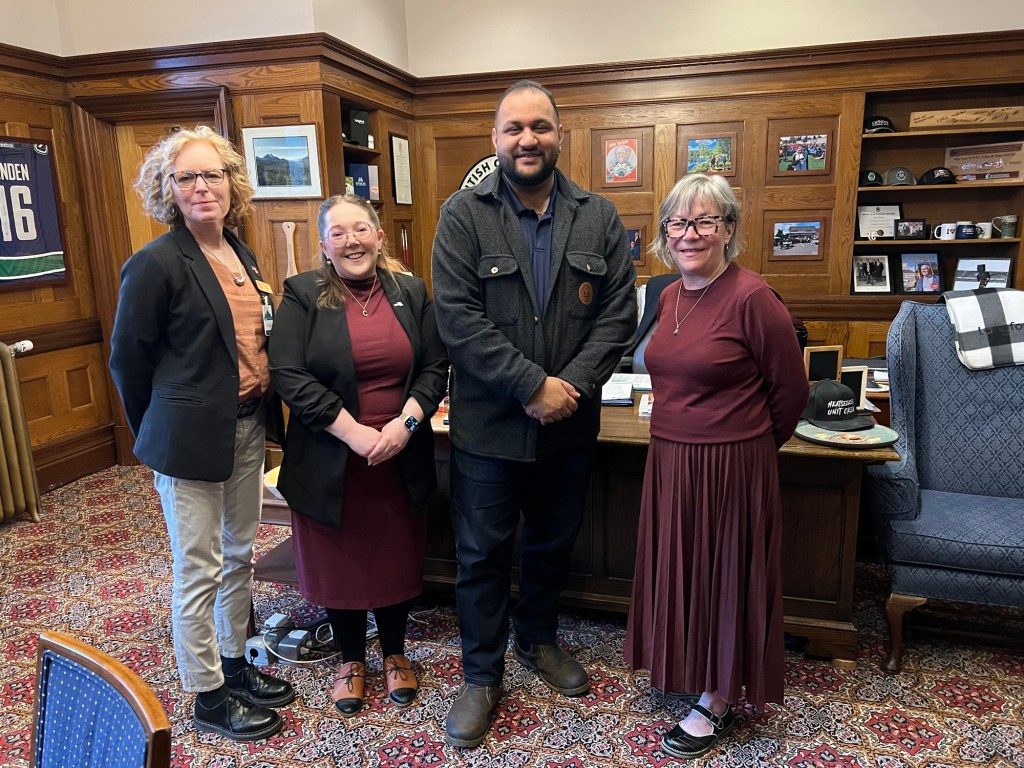
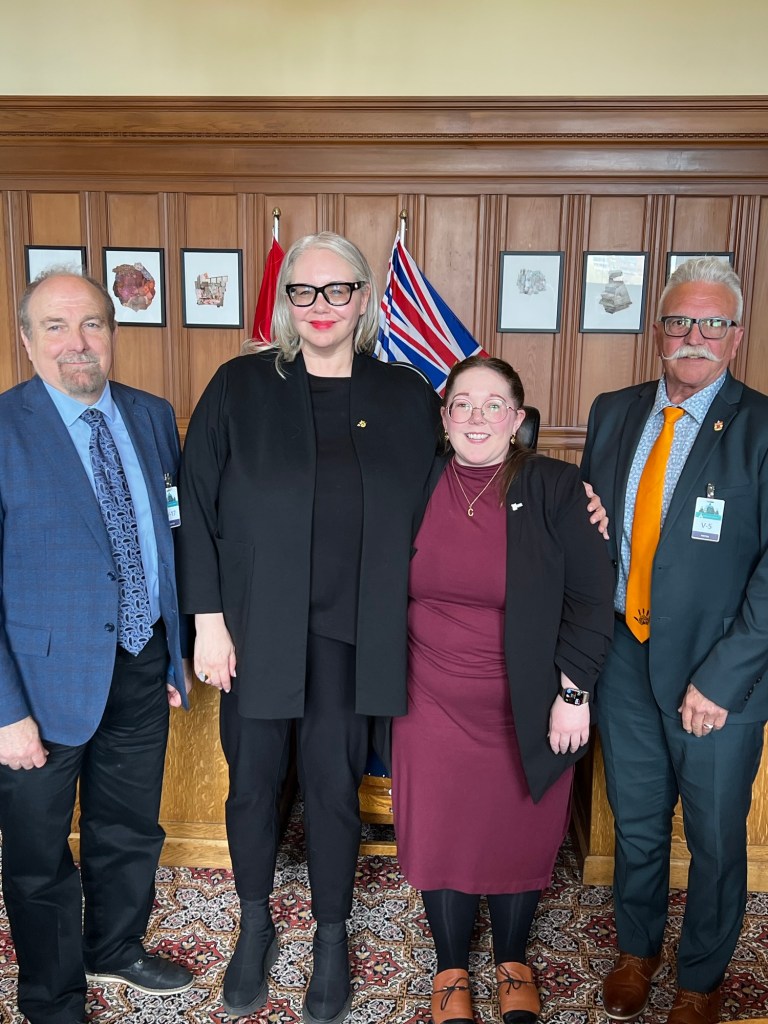
After a great weekend at AKBLG, I hopped over to Victoria from Trail to start a week of UBCM advocacy days and board meetings. Starting bright and early Monday with Ministers Boyle and Anderson, I shared our advocacy day priorities on behalf of our members. On Wednesday I met with interim leader of the opposition MLA Trevor Halford and critic for municipal affairs and local government, MLA Tony Luck. This was followed by Minister Bailey, Finance Minister, and then Premier Eby. The following day, I met with Minister Parmar, Minister Kreiger, and MLA McInnis, critic for Tourism and Resort Municipalities, Columbia River Treaty and Indigenous Relations. I also got a hot minute with the Speaker, Raj Chouhan and MLA Lorne Doerkson.
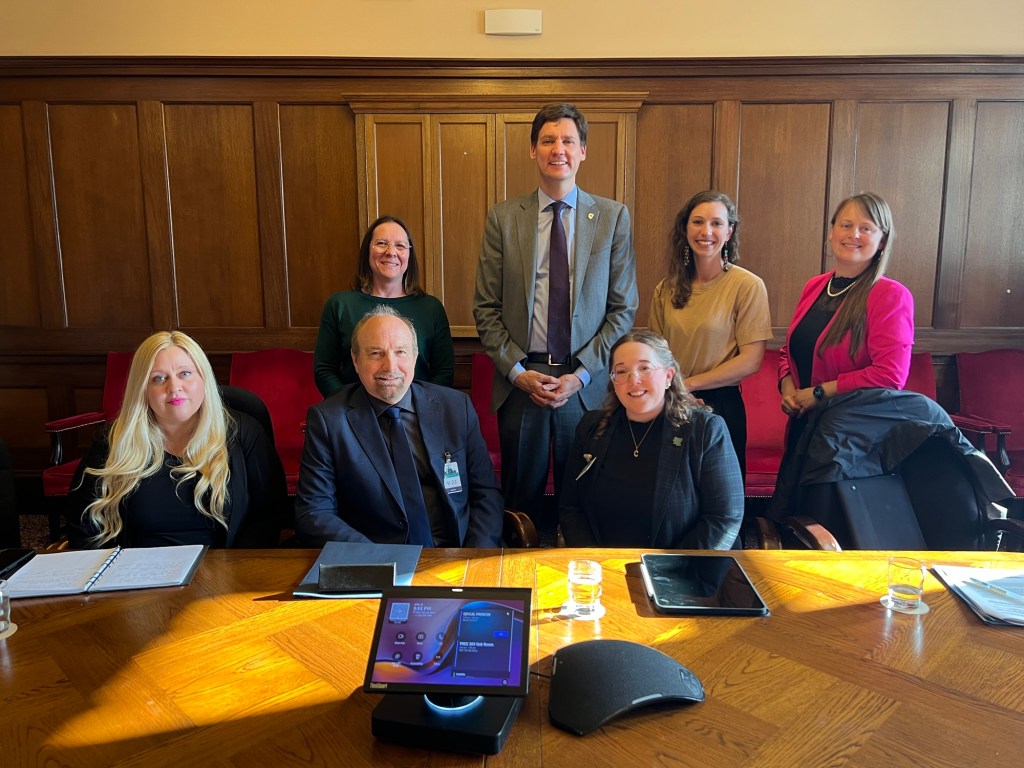
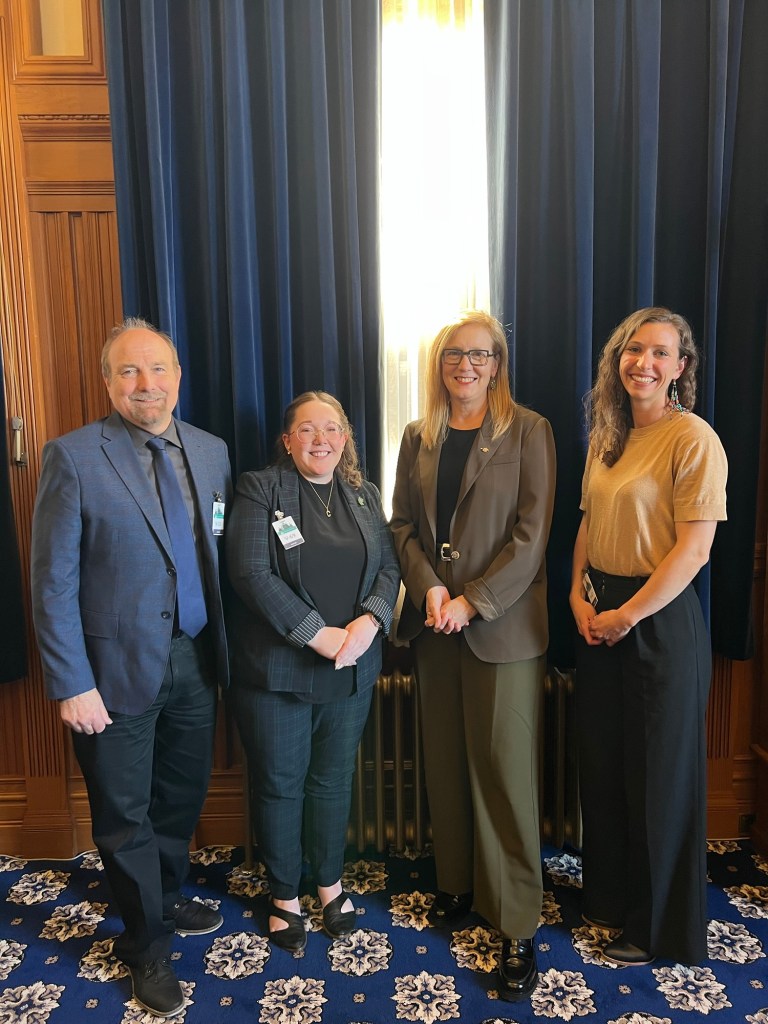
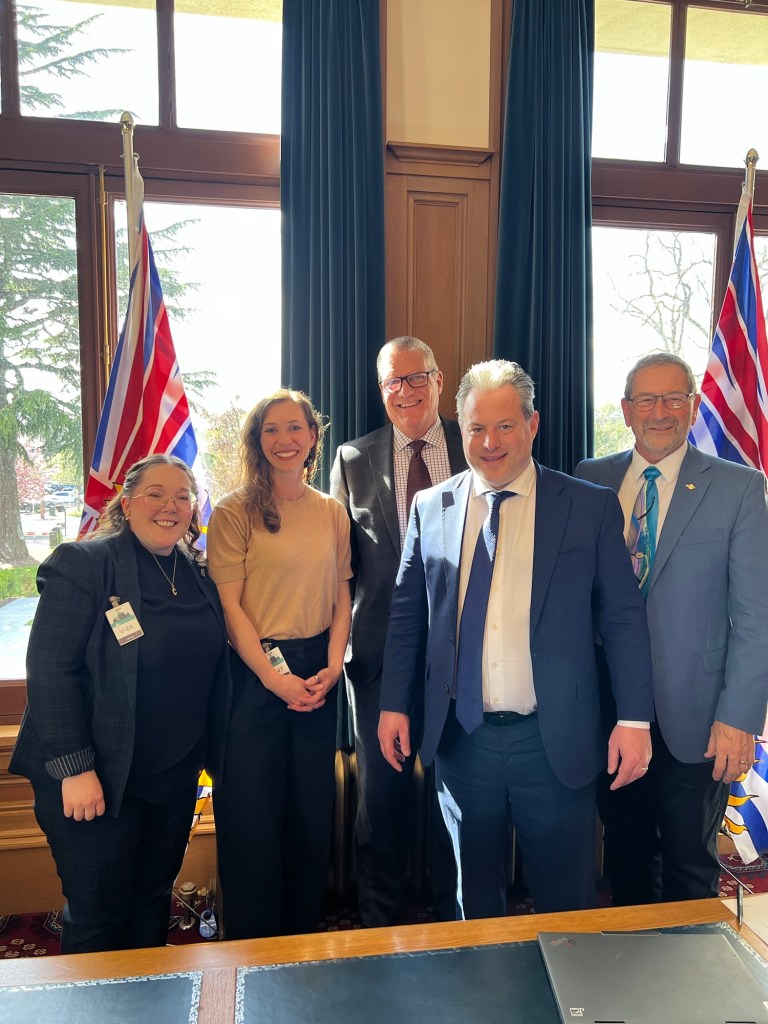
As a public relations practitioner, I have to say that engagement with local governments has been inconsistent. We’ve had great engagement on legislation for parental leave and for the code of conduct legislation – but on the modernization of the Heritage Conservation Act and a few others, there are some improvements we have asked the province to make. Ensuring consistent engagement that is transparent, collaborative, and where local governments can have an impact on the outcome is critical. UBCM members are an order of government in our own jurisdiction and this week we asked that principles of good engagement be recognized across ministries when it comes to the issues that impact us.
We know we are in for a brutal wildfire season – it has already started in the Caribou Regional District with an alert there and two fires in Bulkley Nechako Regional District earlier this week. I’ve reached out to share with our friends there that our thoughts are with our colleagues as it begins.
As I’ve been travelling around the province learning from our different area associations, it is clear that the FireSmart Community Funding and Supports program is more important than ever. This program is not only an incredibly effective tool to reduce wildfire risk – it also funds the 200~ firesmart coordinators across the province. And while provincial budget 2026 included a one-time top up of $15M, this fund will soon run out and no new money has been committed. 280 communities including municipalities, regional districts, and First Nations utilize this fund and while the coffers might be strained we know that every $1 spent before a disaster saves between $7-$13 in post-disaster response. This is the type of spending we need right now and if you support wildfire prevention, please send a letter to Minister Parmar highlighting the importance of the firesmart program in your community.
Local governments continuously step up to the plate when it comes to emergency management and we are taking on more complex and costly emergencies, dealing with wildfires, floods, droughts, heat domes, landslides, and many more emergency events. We asked the province this week to ensure that as the Emergency and Disaster Management Act (EDMA) is rolled out, that it be done so with dedicated, ongoing funding and capacity building supports tied directly to the new EDMA responsibilities. Additionally, we know that bringing disaster risk assessments up to EDMA standards is estimated to cost about $31M province-wide for local governments, and we also asked for one-time funding to complete the EDMA-compliant risk assessments.
Our third advocacy priority was for the provinces support local governments in maintaining existing financing tools as they negotiate on federal infrastructure funding. The federal government is looking at forcing local governments to cut development cost charges in order to qualify for infrastructure dollars we’re desperate for through the new Build Communities Strong Fund. But the thing is the math doesn’t math: are we really going to cut DCCs in half to qualify for a piece of a $1.59B pie spread over ten years and split between housing, post-secondary education, and transit when we collected $1.2B from DCCs in 2024 alone? We were pleased to hear that the Premier has our back when it comes to negotiating with Ottawa.
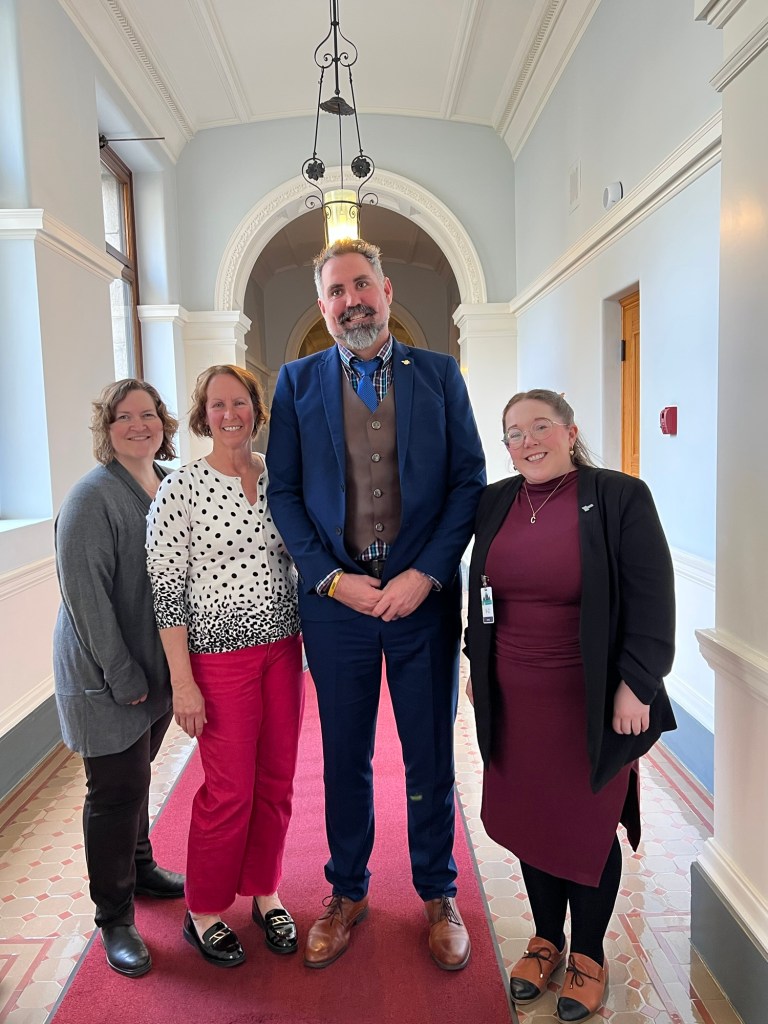
In addition to our core advocacy priorities, we also have UBCM committee priorities. These are where member resolutions become work plan priorities. Each committee championed member priorities in cabinet meetings making progress and highlighting the importance the issues impacting our members.
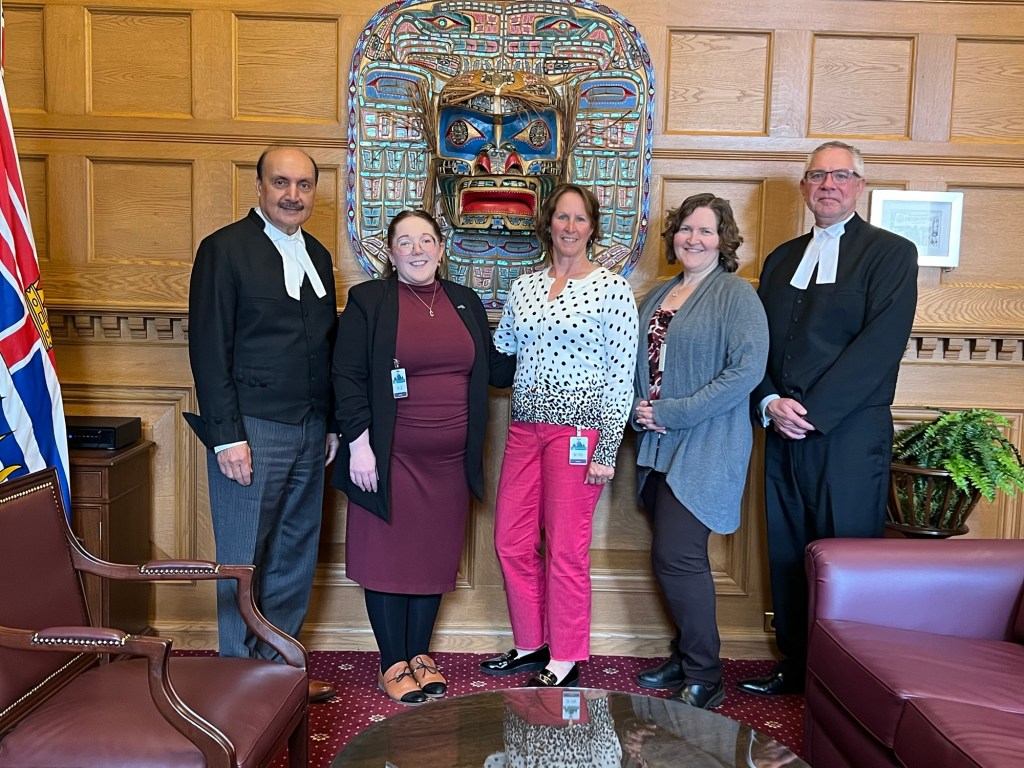
Advocacy days is a moving target – there are roughly 30 meetings over a day and a half and the entire UBCM board converges on the legislature in teams of three to connect with government and opposition. I am incredibly proud of the work our UBCM board does and am eternally grateful to our staff for the support they provide.
Inch by inch we continue to move local government priorities forward and I know we have done our members proud this week. While my blog shares my experience from the week, I know there were so many more meetings where connections were made, stories from home were shared, and progress was made. I encourage you to check out some of the other board members social feeds to check out their experiences.
 coriramsay