Why the heck did I remove staff expenses from public reporting?

Skewer me if you want, but at least be informed when doing it.

Some members of the public seem to be very angry over a motion I recently moved and have made the assumption that I have removed very important public reporting – removing quarterly council expense reporting – this is not true so let me clear up the confusion.

What happened?

Every year in June, council reviews our Statement of Financial Information colloquially referred to as the SOFI report. This report contains all legislatively required reporting on things like salaries and expenses for employees earning over $75,000. Every employee that meets this criteria are listed on this report for the public to review and provide comment on. This report also includes things like council expenses (including who did and who did not go over their allocated budget), contracts over $75,000 and much more. It typically receives much attention and if you’ve never reviewed it, I’d recommend checking out the 2024 version here.

At the June meeting, while reviewing the SOFI report, a member of council, without a notice of motion, put forward the following resolution:

That council directs administration to report to council on expenses in the same manner as the council currently reports of the city manager, directors, the manager of legislative services, and the deputy corporate officer on a biannual basis.

Council is a governance board, not an operating board, and by legislation, operational duties of the city are delegated by council to the city manager, which includes oversight of employee expenses. Under the one employee model, council reviews the city managers expenses and the city manager reviews employee expenses. It’s a pretty straight forward governance practice.

I opposed the original motion because I felt this was redundant due to the SOFI reporting already providing this information, and also, this to me is overstepping our governance role and delving into operations. I felt that with only 9 employees identified in the motion being required to do additional reporting, this would create some public criticism into things like professional development training these individuals are taking; it would impact morale due to public scrutiny of only some employees receiving additional twice yearly criticisms over spending that has been approved in the budget set by council. Finally, as Prince George is the only municipality in all of BC to adopt this practice, I also worried that this would impact our recruiting efforts and succession planning. Despite my objections, the motion narrowly passed.

Fast forward to Monday’s meeting – where we for the first time reviewed the actual reporting that came about as a result of councils motion. I found some red flags and discrepancies in the report. For example, members of council attended the FCM conference in May bringing with us the city manager and our Director of Development Services. While the City Manager and Director had these expenses listed publicly in this report, it does not show the full picture and is very misleading to the public because there was also another employee who attended the conference who was not required under this reporting process to report expenses. For the record, all employees earning over $75,000 already have their expenses publicly reported in the SOFI report.

Why are council expenses shared on an open meeting agenda?

Let me explain it this way: if you were to review the organizational structure of the city, you would see that employees report to the city manager – who reviews employee expenses; the city manager reports to council – who reviews the city managers expenses; and council reports to the tax payers – who review our expenses. I want to state for the record that I firmly believe that it is important for the public to be able to review our expenses as members of council and I have not removed this reporting – this is still in place. I think it is important for you to see which of us is over and under on our expense budgets because we ultimately report to you. That is transparency and accountability in action and all members of council report our full quarterly expenses on the quarterly report – not a subset of members unlike the motion which asked that only 9 specific staff members share their expenses in addition to the already public reporting in the SOFI report.

I do want to add some commentary around transparency because this word is thrown around a lot and sometimes even weaponized. I know full well that residents want full transparency on every single decision we make, and the rhetoric in this era of distrust typically indicates that you don’t have full transparency unless you yourself get to delve into the general ledger lines of every single dollar we spent because seeing is believing. The reality is that council from time to time has to deal with confidential information as any business does. There is an extraordinary cost to the taxpayers if the city were to not keep information confidential when appropriate. New businesses looking to come to the city wouldn’t trust us, our position on certain matters could be strategically jeopardized, the province would very likely stop giving us grant funds, special and major events would be jeopardized, and we could potentially open ourselves up to a lawsuit – these are just some examples that come to mind.

So how do we ensure the public gets accountability when they don’t fully see everything? For me, this is my role as a councillor. You have elected me to be your eyes in the open and closed meetings and I greatly enjoy being your little truffle pig, sniffing out the goods and getting what I believe is the best outcome for residents.

Getting back to the motion. It should be noted that if council wants to discuss an individual line item in the SOFI report, it must be moved to the closed council meeting because it then becomes subject to PIPA and is considered personal information protected by legislation. I would opine that this additional redundant report could potentially breech PIPA and put us at risk.

So what exactly did I change that was supported by a majority of council?

I reviewed the report on staff expenses for Q1 and Q2 and determined that it was very lacking because we already get a more fulsome report with so much more information – and hey, everyone who is supposed to be on it, is on it. I still wanted to respect the original motion that was put forward so I suggested a change in council direction that upheld our position as a governance board. Rather than reviewing this secondary report in an open meeting with only 9 staff, I proposed that we review the city managers expenses in the closed meeting and direct the city manager to review staff expenditures regularly. This maintains good governance ensuring council is not delving into operations, and still gives council the opportunity to review expenses and ask pointed questions – your elected eyes doing their job.

To sum it up: the public already gets a much better report publicly sharing information on staff expenses. The new additional report that didn’t really show anything and was quite misleading has been removed and instead, the city manager will share his expenses in a closed council meeting regularly with council.

If you have questions or need further clarification, please get in touch – you can find info on my contact page. I am more than happy to discuss and clarify to ensure you feel as confident as I that this decision was in the best interest of the city.

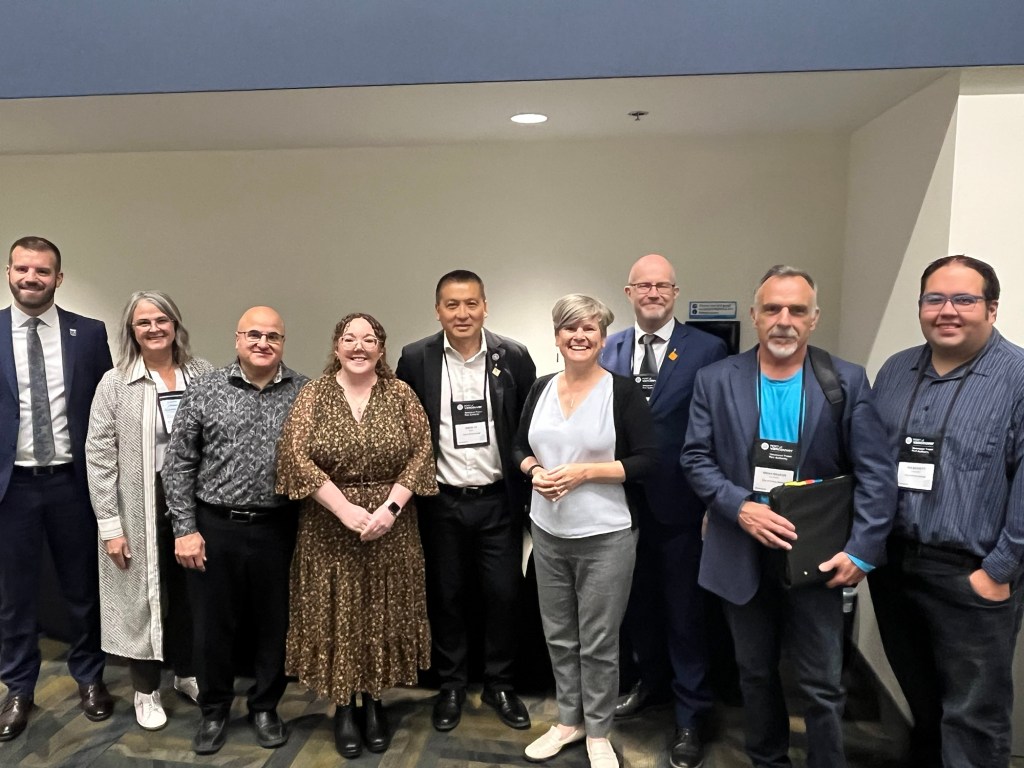
Why do elected officials go to conferences?

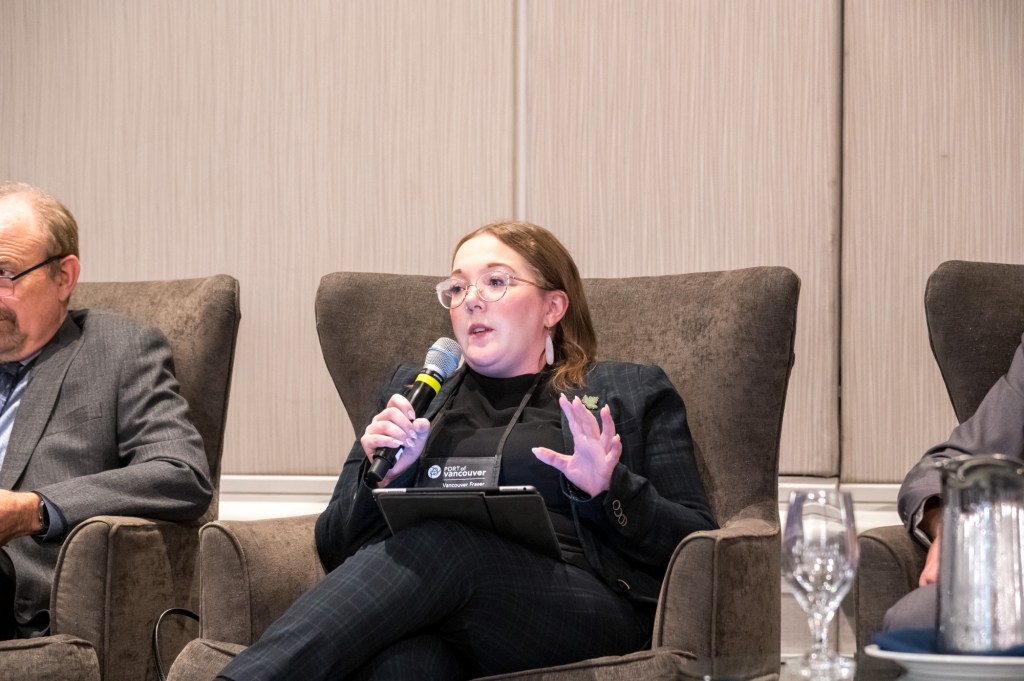
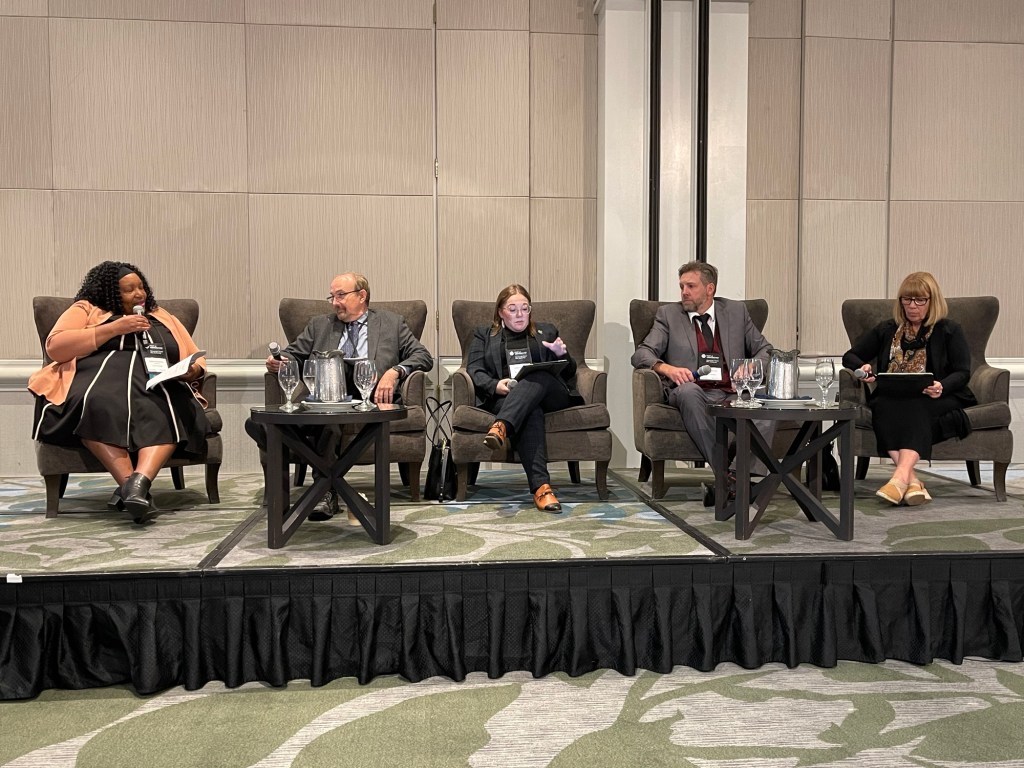
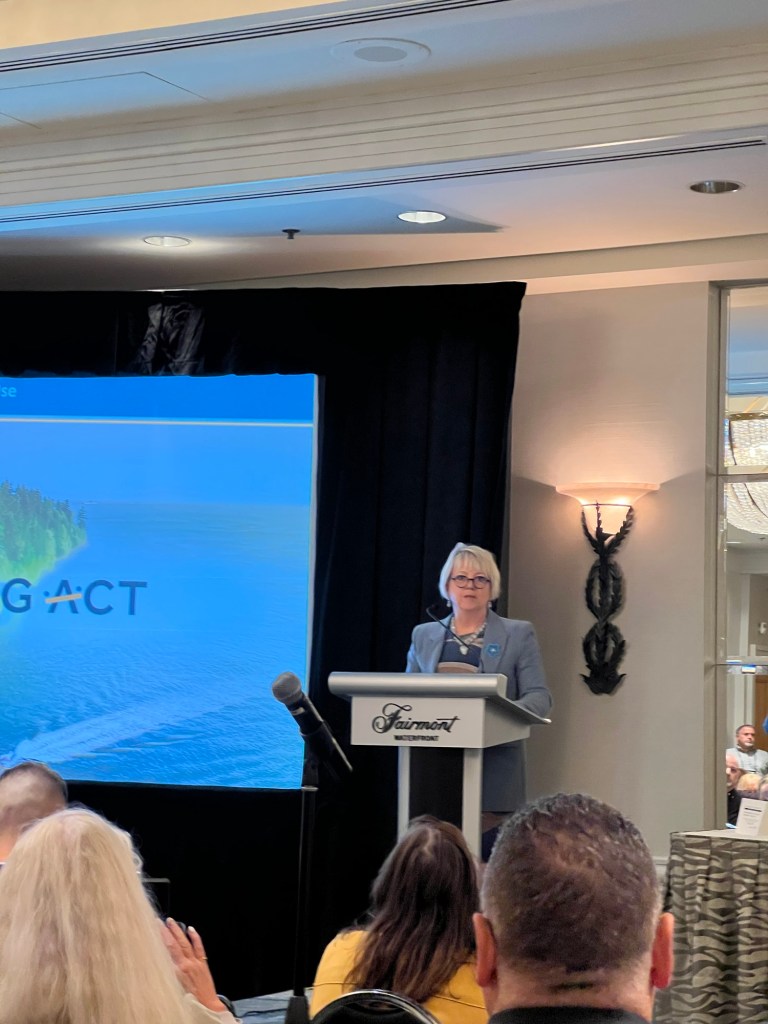
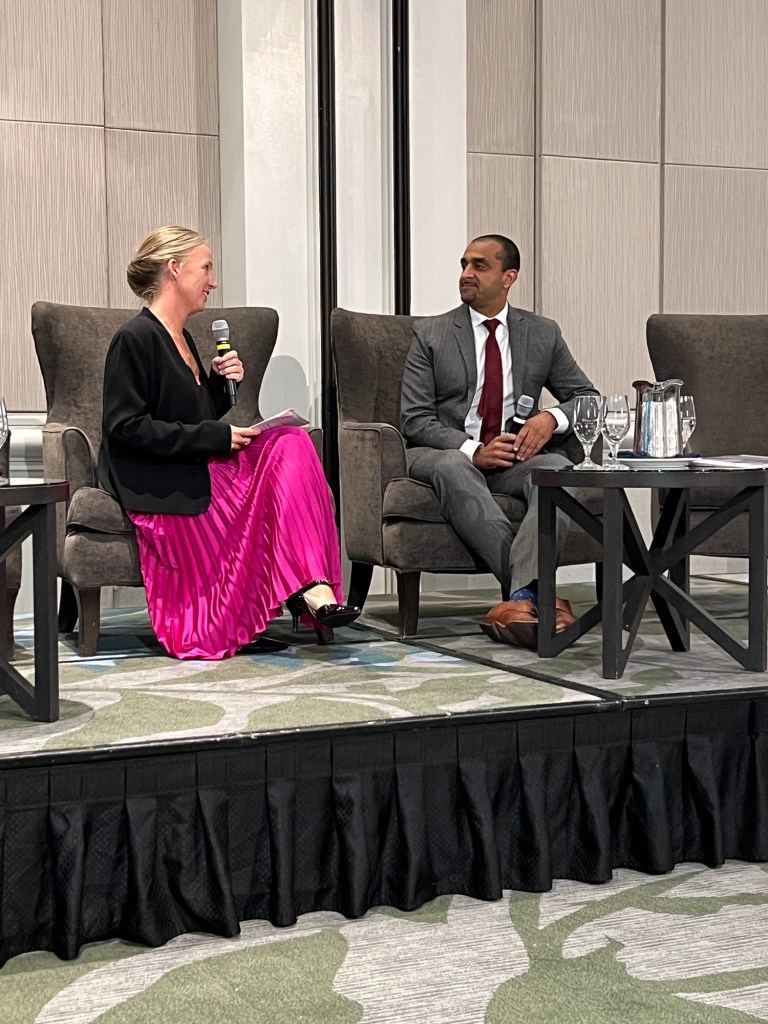
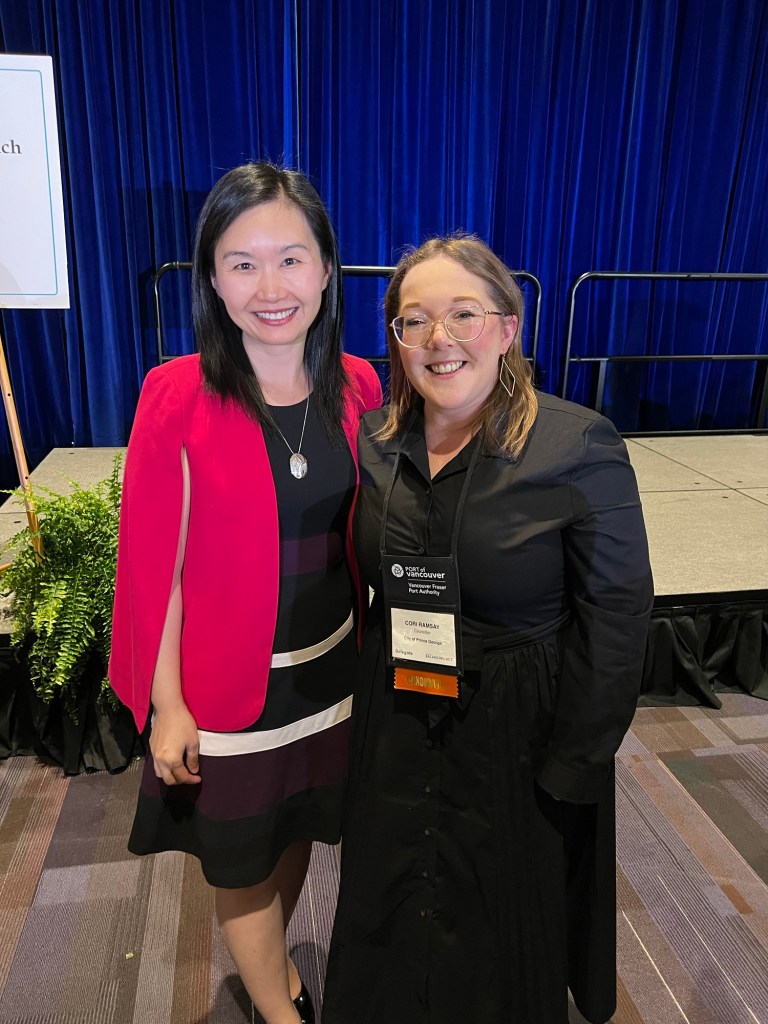
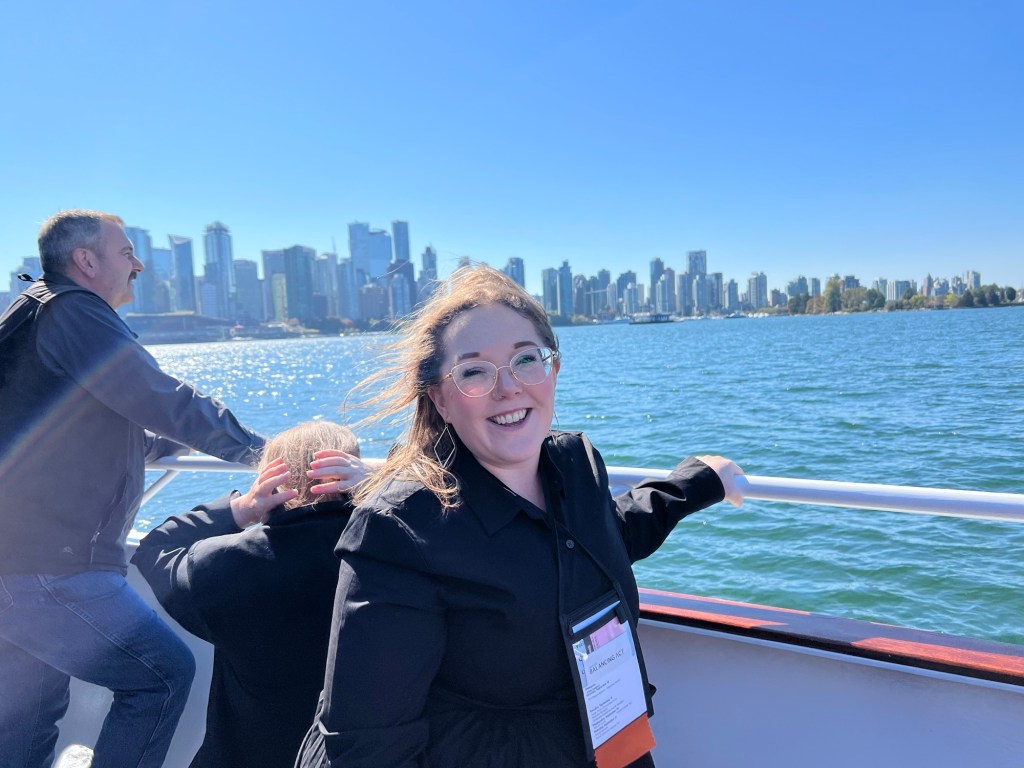
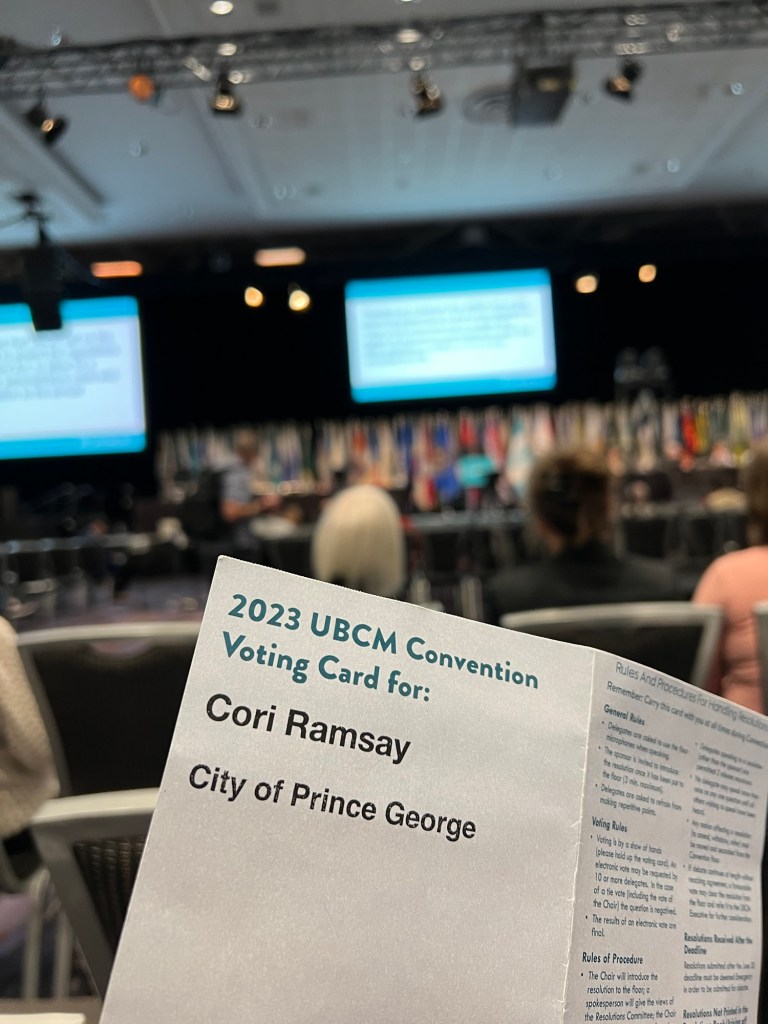
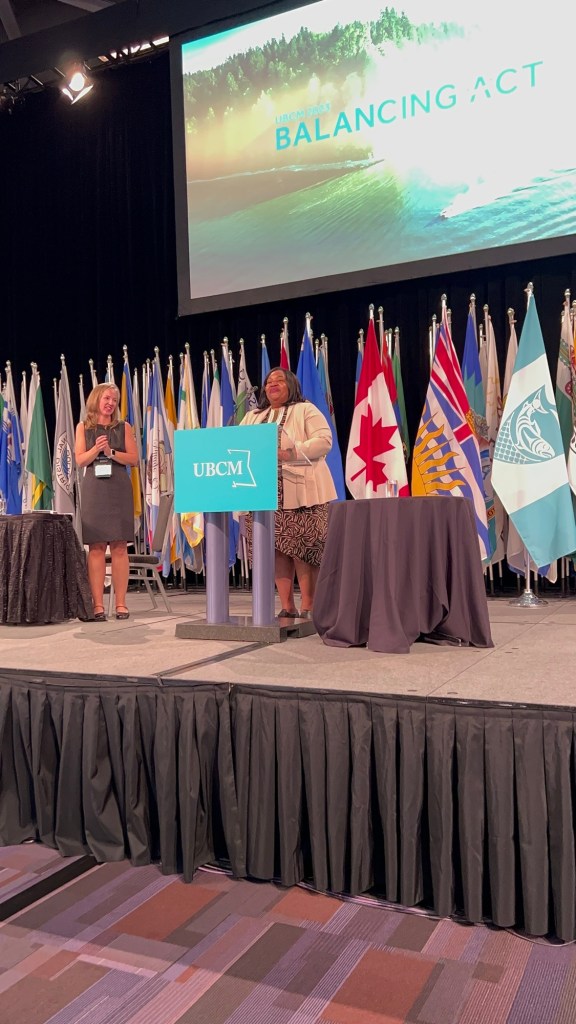
This week, many local government elected officials converge on Vancouver for the Union of British Columbia Municipalities (UBCM) Convention & AGM. You might be asking why do our elected officials go to conferences and what value does this provide my community? This blog is intended to answer that question, and also provide an update on the work being done this week by council.

Resolutions

Resolutions is by far one of the biggest draws for convention and this year there are 267 resolutions being considered by the membership. These resolutions are broken down into several categories such as Special Resolutions, Endorse Block, Not Endorse Block, No Recommendation, and Late/Emergency Resolutions. Within each of these, topics for resolutions include Health & Social Development, Housing, Community Safety, Environment, Regional Districts, Indigenous Relations and Reconciliation, Finance, Land Use, Taxation, Transportation, Legislative, Assessment, Community Economic Development, Elections, and Selected Issues.

A resolutions states a problem and an enactment clause with a proposed solution. The membership debates resolutions under these topics which could include resolutions like Mental Health Supports from the Kootenay Boundary RD, or Incentivizing Non-Market Housing from Maple Ridge, or Management of Fireworks from Mission to name a few. The debate is lively and the resolutions that are passed will form UBCM’s advocacy efforts.

There is immense value in being able to debate, support, and oppose resolutions that would benefit the City of Prince George in our priorities as well as our residents. To view all 2024 resolutions, click here.

Minister Meetings

Throughout the week at UBCM, there will be several opportunities to engage with provincial ministers and their staff. Each community has the opportunity to request meetings; some are approved and some denied. This week we will be meeting with the following to bring forward concerns, requests, thanks and more:

  • Minister Osborne, Energy, Mines, and Low Carbon Innovation
Minister Josie Osborne
  • Minister Fleming, Transportation and Infrastructure
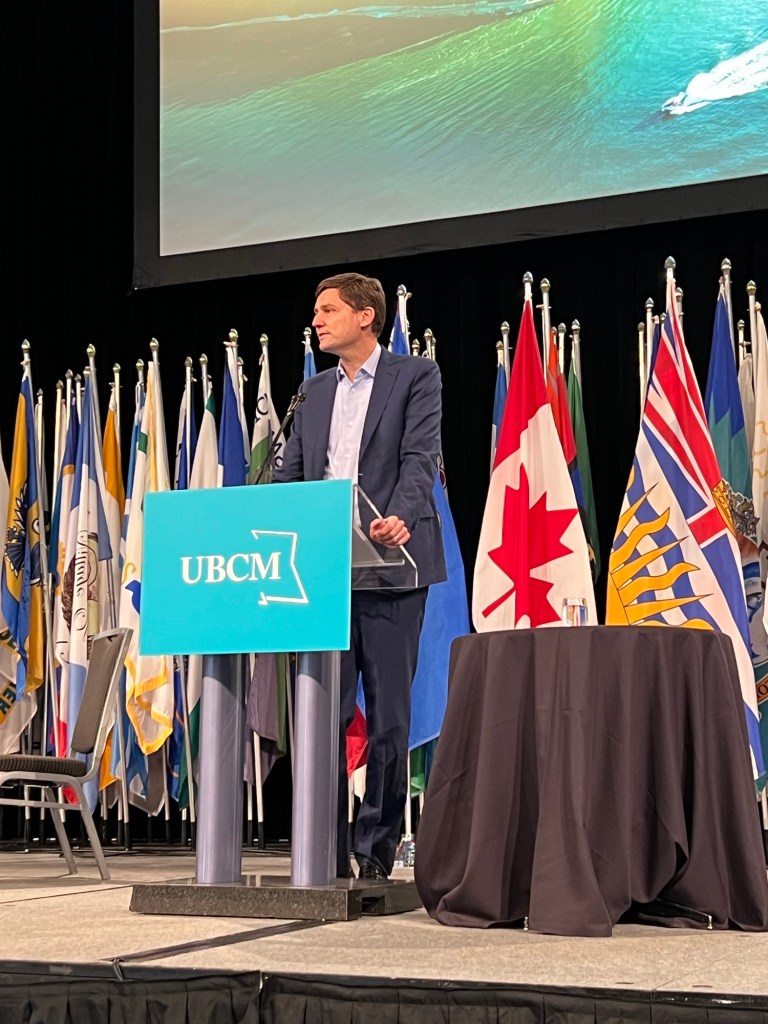
  • Premier David Eby
  • Minister Kahlon, Housing
  • Minister Whiteside, Mental Health and Addictions
  • Minister Ma, Emergency Management and Climate Readiness

The access and opportunity to advocate for our community is unmatched. To be able to meet with these individuals will greatly help to advance our municipal priorities.

Educational Opportunities

UBCM is kind of like the first week of classes at university. There’s a lot going on – in addition to the many panels, workshops, clinics to choose from, there are also many colleagues to meet and learn from.

The start of convention offers incredibly interesting study tours and topics I’ve attended so far include What’s Next For Housing, Communities in Transition: Responding to Change in BC’s Resoirce Sector, and Women Electeds: Finding Solutions Together.

Joel McKay, CEO NDIT

Each day there is something new to choose from including concurrent clinic topics, concurrent workshop topics, keynotes, panels, and the list goes on. Many of these panels consist of colleagues from other local governments sharing solutions they’ve found, programs they’re trialing and expected outcomes, etc.; we also see the province and community partners presenting and sharing updates. We also will hear from provincial party leaders on their priorities for the upcoming year; there are also typically lots of announcements that can impact our communities drastically and being able to hear these announcements in full first hand rather than get drabs from the media is also incredibly beneficial.

UBCM Elections

The UBCM Executive has an incredibly important role. The membership might meet annually, however, the board meets quarterly, has special meetings, advocacy meetings and actions the advocacy priorities determined by the membership. Each quarter, the board meets with the Minister of Municipal Affairs, and at the April meeting, does Advocacy Days in Victoria at the Legislature.

During convention, elections for the board take place and like last year, I will be seeing a second term on the UBCM board as Director At Large to advance our collective priorities.

UBCM President Trish Mandewo

Conclusion

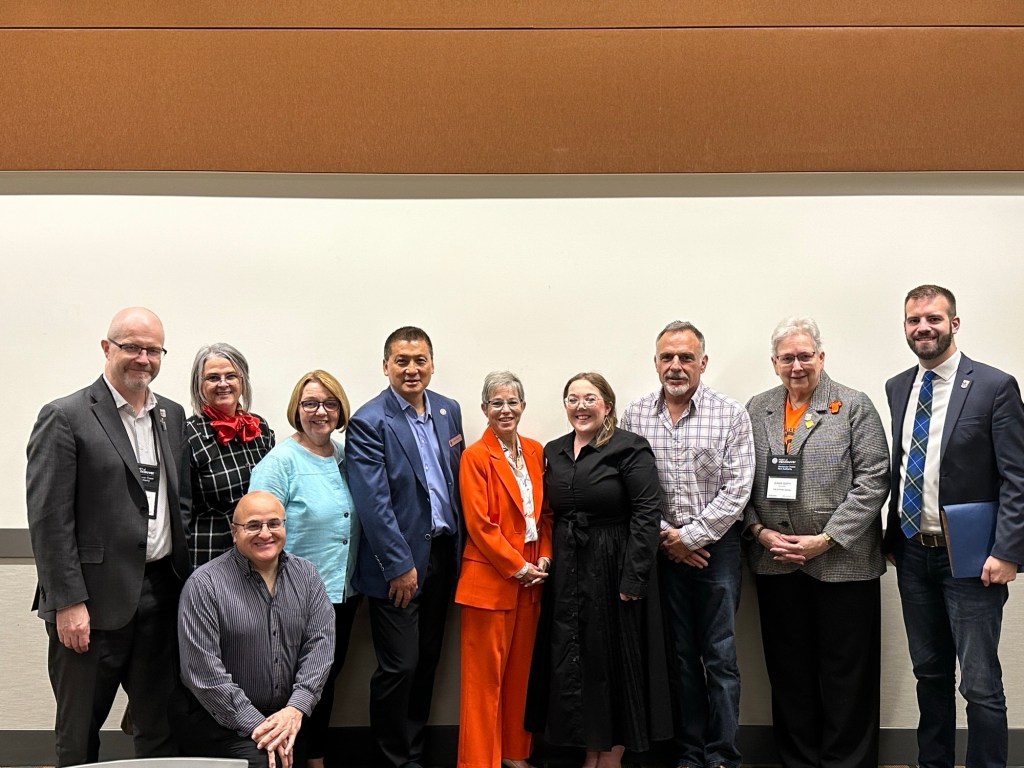
This week is huge for local government and UBCM provides many opportunities to learn, connect, advocate, debate, and more for our communities. The result is strong advocacy from 180+ local governments and First Nations Partners pushing forward for the communities we represent. To me, this is the work we were elected for and I’m incredibly proud of my council as well as local government and First Nations colleagues from across the province on all that we are doing together. So, if you ask me why elected officials go to conferences, I would say we are really there working for you, our residents to build communities you both deserve and desire.

Questions about this blog? Contact me and get in touch and I’d be happy to provide a response.

Budget 2024: How we got to 6.78%

I wanted to write a blog on budget last week but then I had the Regional District budget and regular meetings so unfortunately it’s a little delayed but hopefully you find the information helpful.

I’ll start by saying that there is a lot of work that goes into the city budget and the process for the 2024 budget kicked off in August 2023 at the Finance and Audit (F&A) Committee which I chair and consists of Councillors Bennett, Polillo and Klassen. At the August meeting, F&A reviewed the budget consultation approach and made a recommendation to council (committee’s do not have the ability to make decisions on their own so we make recommendations to council and they can choose to adopt, amend, or halt a process) on the process which was approved.

Budget Consultation 2024

Our budget consultation included a number of engagement opportunities. The City of Prince George ran five satisfaction surveys on: roads and sidewalks, parks and trails, events and recreation, snow and ice control, and protective services. Each survey had between 200-300+ responses. We also ran 24 social media posts asking for feedback on various topics which generated hundreds of comments. Citizen Budget, which some might be familiar with, is a survey we run every year as part of our budget consultation and saw 1,500 visitors in 2023. Finally, council also put on three public input sessions in the Hart, Downtown and in College Heights to hear feedback in-person from residents. Budget consultation runs throughout October every year and there are many ways to engage and tell us what you think. Members of the public can also email council or send letters of correspondence. Overall, I think we have a robust engagement process that considers feedback from different mediums and sources. If you think this process can be improved upon, please let me know your thoughts!

What We Heard

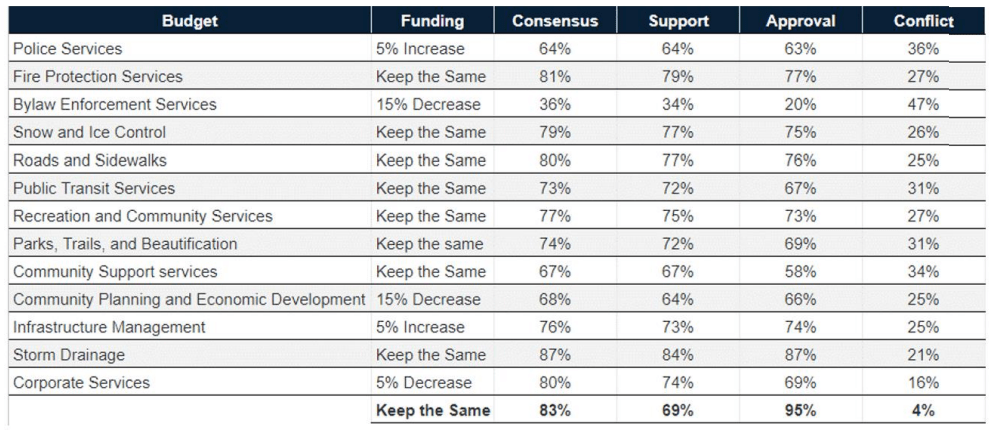
There’s a lot of information and feedback to sift through but below shows the Citizen Budget survey results (keeping in mind that there is a lot of info collected in addition to this like the other surveys and social media comments but this does summarize for the sake of a blog a general idea of feedback from the public). You can view the entire results of the budget engagement here at item D.1.

Looking at the table below, we can see that residents have asked for increases and decreases in specific areas, but overall 83% asked that service levels remain the same. Considering inflation was at 3.4% in December, to keep service levels the same, we are automatically without changes looking at the inflationary increase. Now, 3.4% is much different than the 6.24% which includes some increases, but it equally important to note that the 3.4% inflation rate is based on a basket of goods that includes household items, not things like construction materials and asphalt so the inflation rate for municipalities tends to be higher.

There are other factors that require us to consider differing from the feedback in the Citizen Budget results. An example of this is Fire Protection Services which saw five new firefighters and one new admin added as an enhancement. This was due to a report council received in March 2023 which you can view here at C.1 which can be summed up as: “Following through on the 5-year staffing plan will bring the Fire Department within compliance of NFPA 1710, ensuring the appropriate number of firefighters on scene to fight residential structure fires in the recommended length of time.” So that for me was a very good reason to differ from the public recommendation of ‘keep the same’ given that not following this recommendation could have liability issues and impact life saving measures by our fire department.

The Financial Plan

The financial plan – which is the operating budget – is very complex and sometimes it’s not the easiest to understand so I’m going to try and break it down in what I hope is an adjustable format. Essentially, this is a $166.4M budget and a 1% increase is equal to $1,292,482. The $166.4M amount excludes the additional $59.7M we collect for other agencies such as the School District, the Regional District, 911, the Regional Hospital, BC Assessment, etc. which you will see on your tax bill.

Over all, the tax levy is made up of four individual levies:

  1. The first levy is General (operating) which consists of the operating funding for all city services except for off street parking, snow, solid waste, sewer, water, and district energy because they have their own fund which collects their operating monies. The general levy collected $110,398,156 in 2023 and saw a 4% increase in 2024 bringing it to $116,396,345 for 2024.
  2. The second levy is General Infrastructure Reinvestment Fund (GIRF). This levy was started in 2016 when council realized we had a significant infrastructure funding gap we needed to close. Since 2016, this fund has grown to $2,950,000 but with minor contributions of between $50,000-$75,000 over the past several years, we know that it is not enough to fund future capital projects. Earlier this year a recommendation was passed in our Finance Policy that would see 1% of the tax levy will be set aside to fund GIRF. Within the tax levy you will see that 1%, or $1,292,482 which brought GIRF from the $2,950,000 to $4,242,482 in this budget cycle. Now we might not need to fund GIRF at this level forever, but several years at 1% until the funding gap is closed will be necessary to fund our future infrastructure reinvestment needs.
  3. The third levy is Snow. We collected $9.8M in 2023 and the 2024 budget saw a recommended increase of $1M ensuring we keep a healthy reserve of 25% of the snow budget so that if we have a snowpocalypse event (or many) we can use the reserve to cover any overages. This recommendation, if approved, would have brought the snow levy to $10.8M in 2024.
  4. The final levy is Road Rehabilitation which collected $6.1M in 2023 and had a recommended increase of $600,000 in 2024. This lets us complete 50 lane km’s in the city every year. At F&A we did hear that asphalt is seeing a huge inflationary increase meaning that the city could see the $141 per ton rate increase to $200 per ton for smaller jobs. F&A passed a recommendation that council consider an enhancement in the amount of $300K which would bring the overall levy with the proposed increase to $7M. This would still bring us short of our infrastructure funding gap by $1.2M.

With all that, not including the enhancements, the proposed tax levy was at 6.24%. Council made some changes to the proposed budget from staff. Rather than increase snow by $1M, we chose to increase by $500K which would still fund the levy but have us rely on the reserve in 2024 should we see significant snowfall activity. Service levels to snow removal have not been changed so this means using the savings we have in the bank to fund the bill if we go over the $10.3M budget. We also saw proposed changes by colleagues that did not pass.

What does 0% look like?

As we go through the 2024 and previous budgets, thinking about that 1% = $1,292,482 (in 2024) is an important consideration, for me at least. People often ask the question, why can’t we have a 0% increase? To get to 0% would require council to cut $8,065,087.68 in the 2024 budget. To cut that amount would mean residents would experience significant impacts to service levels across multiple divisions.

But we had a 0% in a covid year? Yes, we technically had a 0% tax levy in 2021 followed by 3.00% in 2022 and 7.58% in 2023. Now we have 6.78% in 2024 and likely several years of mid-5-6% increases where we are recovering from the 0%. This is because to get to 0%, council did not cut services and instead used a one-time funding source (the COVID-19 Safe Restart Grant), to fund the inflationary increase meaning that once the one-time money was no longer available, we had to fund it through the levy. I did not support the 0% for this reason and it is my opinion that we will be recovering from the 0% for quite some time.
Capital Plan

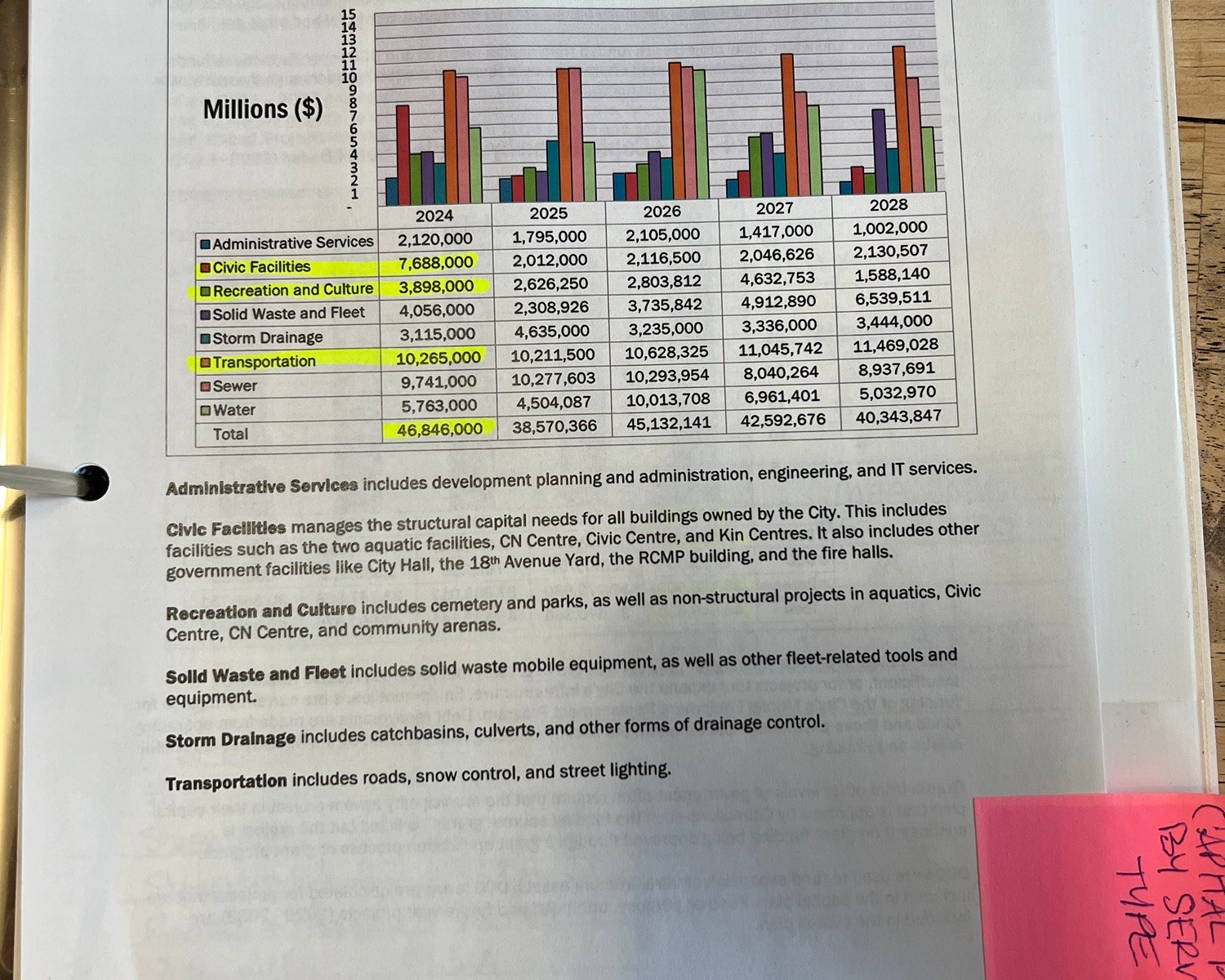
In 2024, we see a capital plan for $46.8M with $15.2M for new/upgrade projects and $31.7M for reinvestment type projects. When looking at the capital plan (which consists of funded projects, unfunded projects, and future years projects), I like to reference the reserve balances because while GIRF does impact the tax levy (remember that 1% we collected above for our infrastructure reinvestment gap?), there are ways we can fund capital projects where it doesn’t impact the levy, like if we get grant funds or gas tax money from the feds/province.

Let’s start off by addressing ‘what is a funding gap’? This is the amount of money we need to collect to replace our current infrastructure. Looking at the next ten years, there are civic facilities that need reinvestment in order to remain operational. For instance, if we look at the PG Playhouse, we can see that in order to keep it functioning, it will likely require $2,142,299 within the next ten years (and if we ask the other question, it’s much more than $2M). Overall, just for the facilities listed below the reinvestment amount is $46M and requires $4.6M per year to get us there. Keep in mind that this is just for 7 facilities and doesn’t include other reinvestment that is also required like for parks, trails, roads, etc. Remember that GIRF levy that was at $2.95M? That’s why we need to fund GIRF at 1% of the levy per year – so that we increase it incrementally rather than all at once to have the funds necessary to reinvest into our infrastructure (Google Osoyoos 39% increase if you want to know how bad it can get).

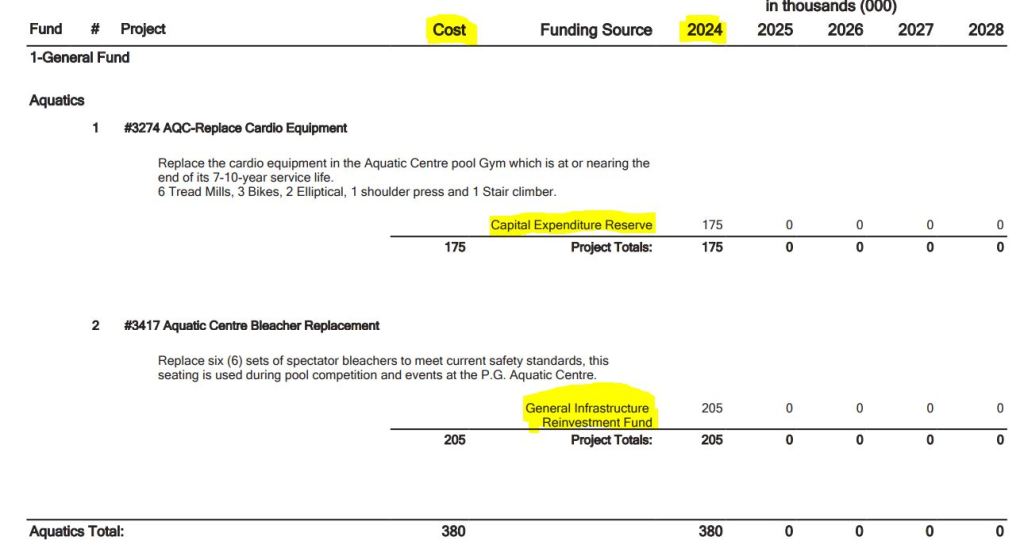
Next, let’s look at the two funded capital projects. The first is project #3274 which would see the cardio equipment at the Aquatic Centre pool gym replaced. We can see that this is funded at $175K in 2024 from the Capital Expenditure Reserve.

This is where referencing reserve balances comes in handy. If we look at the Capital Expenditure Reserve balance (this reserve does not impact the tax levy as it is funded by an annual contribution from our gaming revenue (money we get from the province from the casino) as well as interest we get on our endowment reserve) we can see it has a balance of $2.8M on Dec 31, 2022 and also would have also received the 2023 gaming contribution as well, so the balance is likely somewhere in the ballpark of $5.8M.

Then we ask the question, is it necessary to fund in 2024 – what advantage does this provide? Well, we heard that the equipment is at the end of its life and this is a decent revenue stream for the Aquatic Centre, so funding it would ensure that revenue stream remains in place. You might look at the $175K and think that’s a lot for 6 treadmills, 3 bikes, 1 should press and 1 stair climber. It’s important to note that city staff will look for ways to find savings and if we do save, they will return the unspent savings to the reserve which can be used for future projects.

The second capital project is #3417, the Aquatic Centre bleacher replacement project which sees the replacement of the bleachers at a cost of $205K from GIRF. Now this is a project that does impact the tax levy. Choosing to not fund this project could see the tax levy reduced but we could also choose instead of reducing the tax levy to fund the GIRF reserve to ensure we’re maintaining that 1% for the infrastructure funding gap. We did hear that regardless of funding this project or not, the bleachers are at end of life and need to be removed due to safety issues so funding this project made sense.

Council went through the capital plan project by project asking questions, and getting more information and then we went through the capital project again for approval and decision. At the end, there were projects that were funded, projects that were moved to unfunded, as well as projects from unfunded and future years that were forwarded to Committee of the Whole for more information.

Enhancements

Enhancements are things that are changes from the status quo budget or things that residents or council ask for throughout the year. This year we had a number of enhancements for consideration. Without making changes to the budget and approving the enhancements as is, this would have put us at a 8.23% tax levy. Basically we reduced the levy by 1.45% or $1.87M. Here’s how we did it:

RCMP asked for four new officers at $883,128, this was instead funded for four officers starting July 1 at $441,564 shaving off 0.34% from the 8.23 levy. Next was police support which asked for two municipal staff in the amount of $160,960. Council approved one of the two positions for $77,923 shaving another $83,037 off the levy.

Next was an increase to the fire department which asked for 5 firefighters and 2 support staff. Council approved the $594,220 as well as $76,519. The full enhancement request was for $907,327 so there was a further reduction here. We also saw that by delaying the hiring of the new firefighters, we could fund the Phase 2 Fire Training Feasibility study without increasing the levy which was Councillor Sampson’s idea and passed.

The REAPs request of $100k was not supported and the Exploration Place saw their request partially funded at $25k + $25k rather than the $25k + $75k they requested.

Finally, the roads enhancement of $300k that F&A put forward did not pass. I would have liked to see us try and increase this to decrease the funding gap but I understand why it was unappealing.

The 6.78%

My hopes in writing this blog is to give you a different perspective on the budget process and share my opinion, learnings, and understanding. Budget is a balancing act and I do believe that council did great job finding ways to reduce that initial 8.23% down to 6.78%.

Thanks for reading! If there are any questions, comments, considerations, please don’t hesitate to get in touch.

Conferences – A year in review

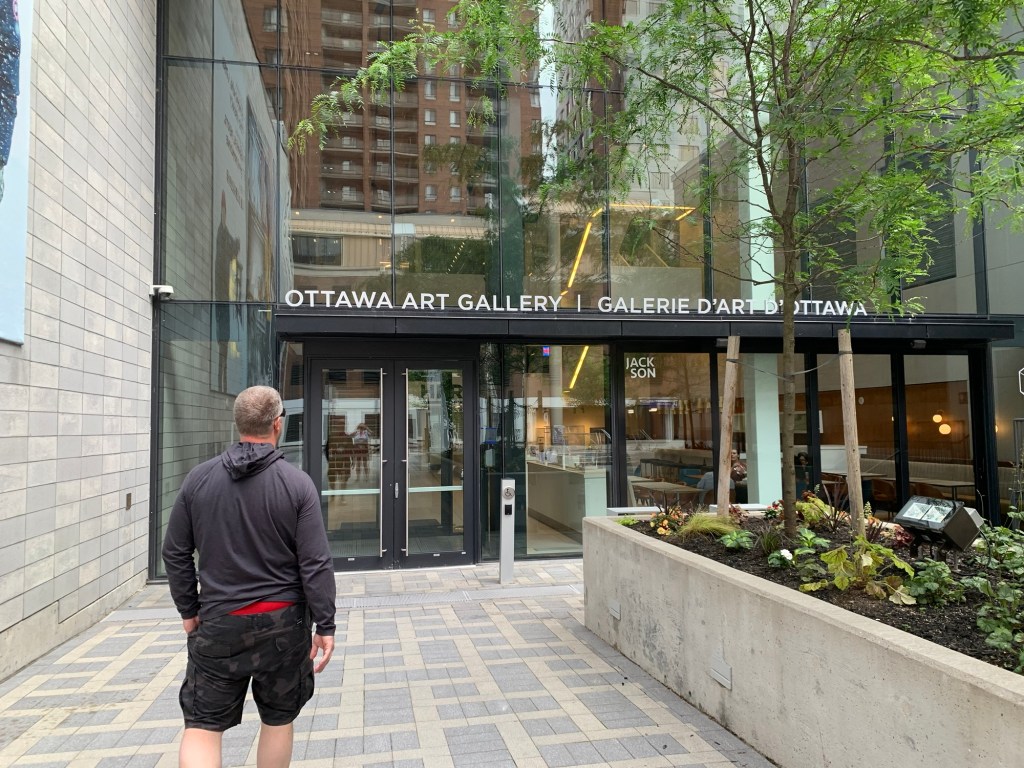
My expense for a conference in Ottawa was called into question this week and rather than let that sit there unanswered, I thought it best to provide more info about all the conferences I attended this year and what I learned so that you might judge for yourself the value it brings to my role on council.

UBCM Housing Summit

In February of this year, UBCM reached out to me inviting me to participate in a panel discussion on rural and northern housing challenges and opportunities at the upcoming Housing Summit. I need to preface my answer to their request by saying that I am a housing nerd. I love reading and learning more about our housing market. I did a TEDx talk on the living wage and poverty reduction and have calculated the living wage for Prince George since 2015. In addition to this, I work for a local credit union reading many reports on housing. All of this is in addition to the reading I do for council so I would consider myself well informed on the subject. Needless to say, I was still shocked and excited when UBCM asked me to speak. I said yes.

I was able to speak about Prince George’s experience and provide advice to other local governments and answer questions many newly elected officials had. I also got to ask Ministry of Housing and Ministry of Health why Prince George had 10 complex care beds announced in the previous year that were still not operational despite being fully built. The answer I was given – and I’m paraphrasing here – was basically that it was the other ministries responsibility. I didn’t like this response and so I brought it up at our next meeting with the Premier and within three weeks of mentioning it, the issue was resolved and the housing was brought online.

NCLGA

At this year’s AGM I was the Past President of the North Central Local Government Association (NCLGA). This is an incredibly important conference in my opinion because it comprises of our northern local government peers – it’s 39 local governments who experience similar issues and lobby/advocate together on those issues.

Example: Remember when the Feds wanted to remove our air tower at the airport? Well, City of Prince George and other municipalities got together and sent NCLGA letters and we wrote a response to NavCanada who ended up reversing their decision.

This year, NCLGA AGM & Convention was held in Dawson Creek with the theme of ‘Northern Communities Leading Together’. It was an opportunity to connect with new and returning elected officials and hear a full agenda with sessions on:

  • Community Risk Assessments and Community Risk Reduction Plans
  • Northern Leadership Through Collaboration: A home-grown climate action network
  • UBCM: Canada Community Building Fund Renewal
  • MIABC
  • NDIT
  • NCLGA Strategic planning session
  • EMBC Elected Official Orientation- What to do in the event of a local emergency
  • Mental Health Crisis Continuum
  • Strategies to meet the new Accessibility Requirement legislation

I also had past president duties and ran the election for the new 2023-2024 board, my last act after four years with this organization.

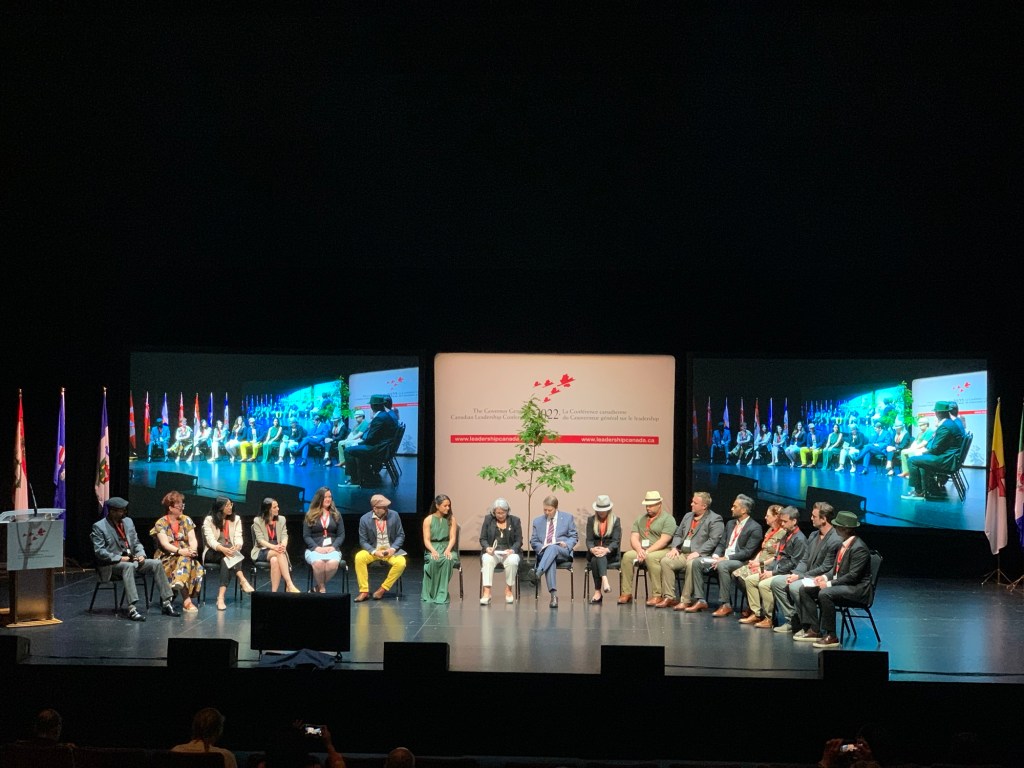
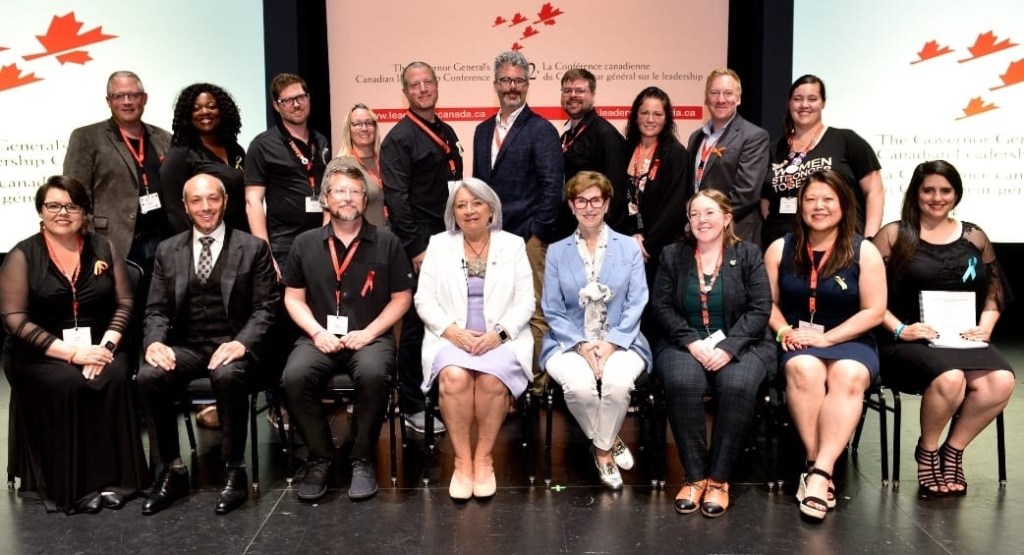
GGCLC 2022

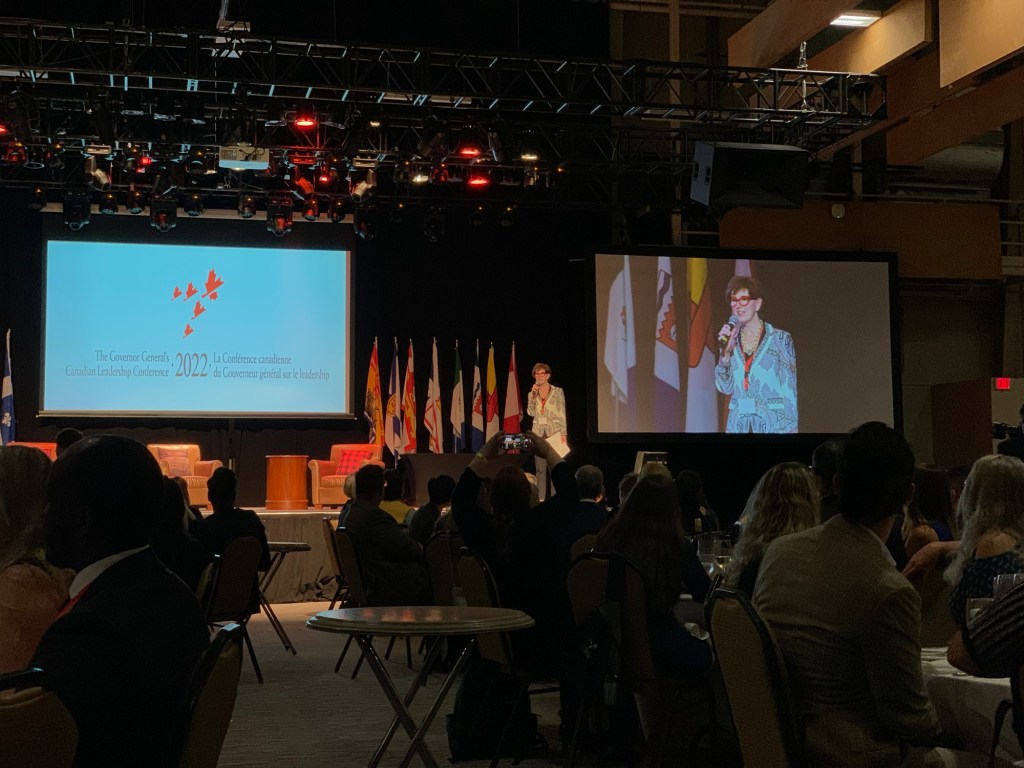
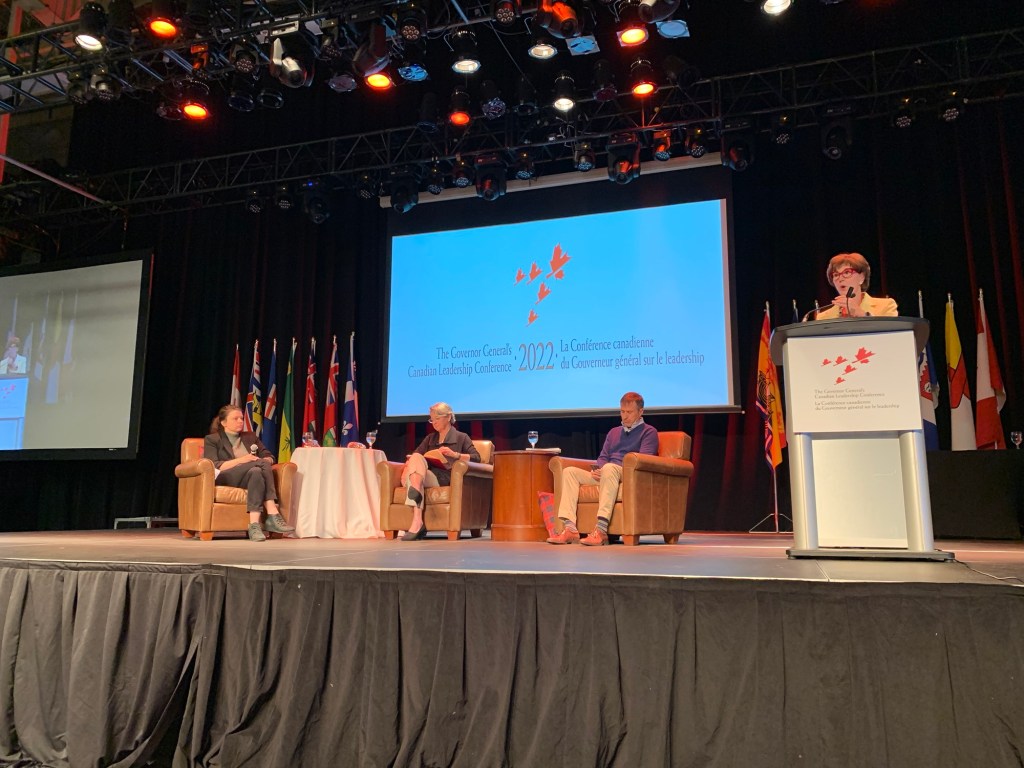
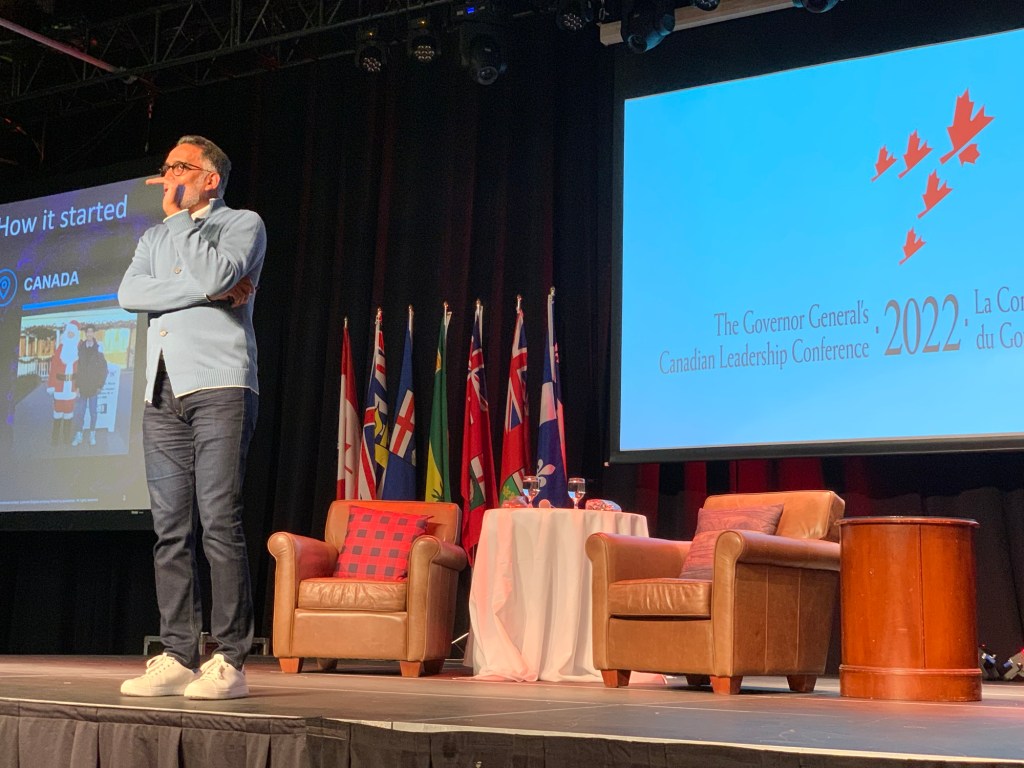
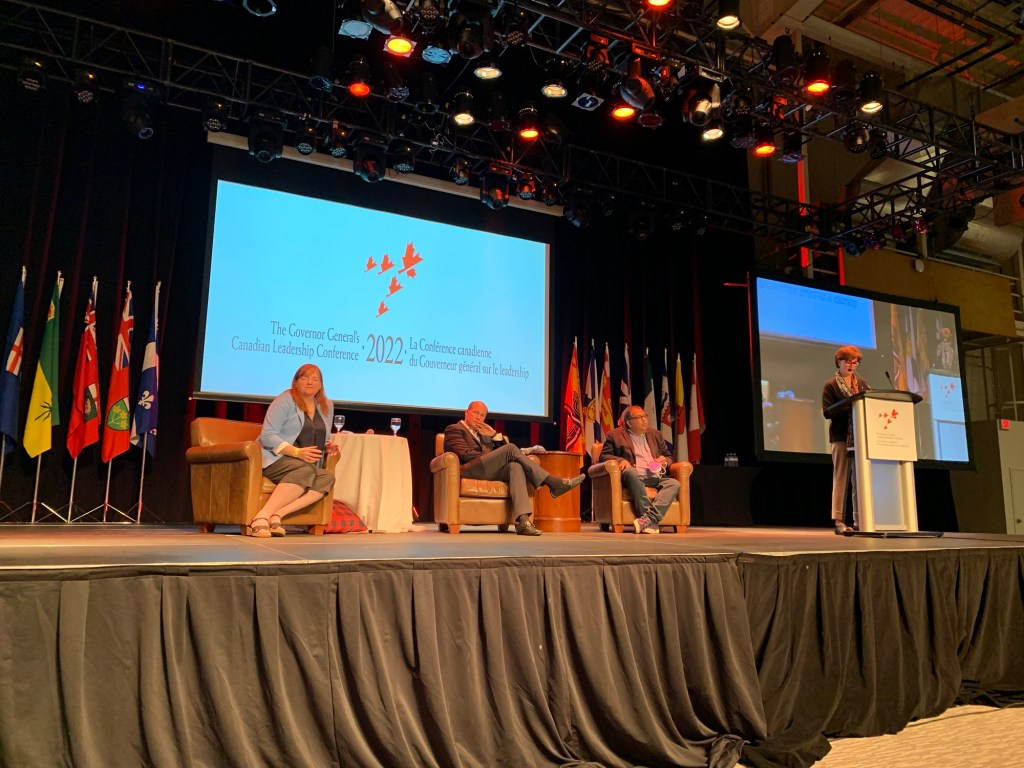
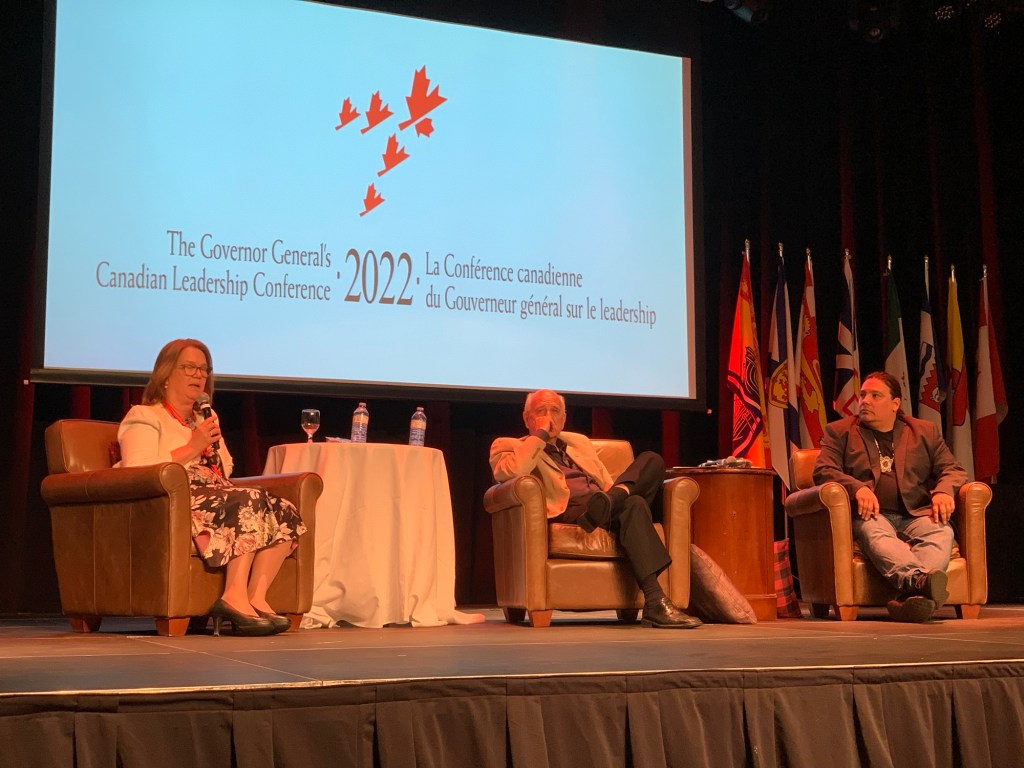
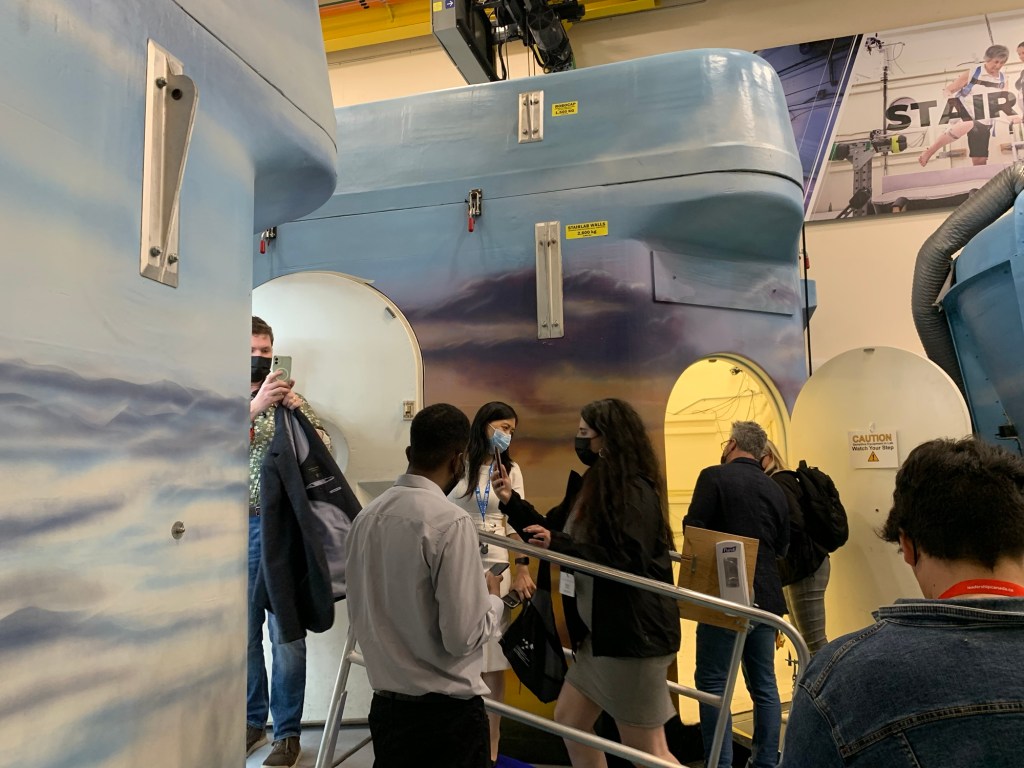
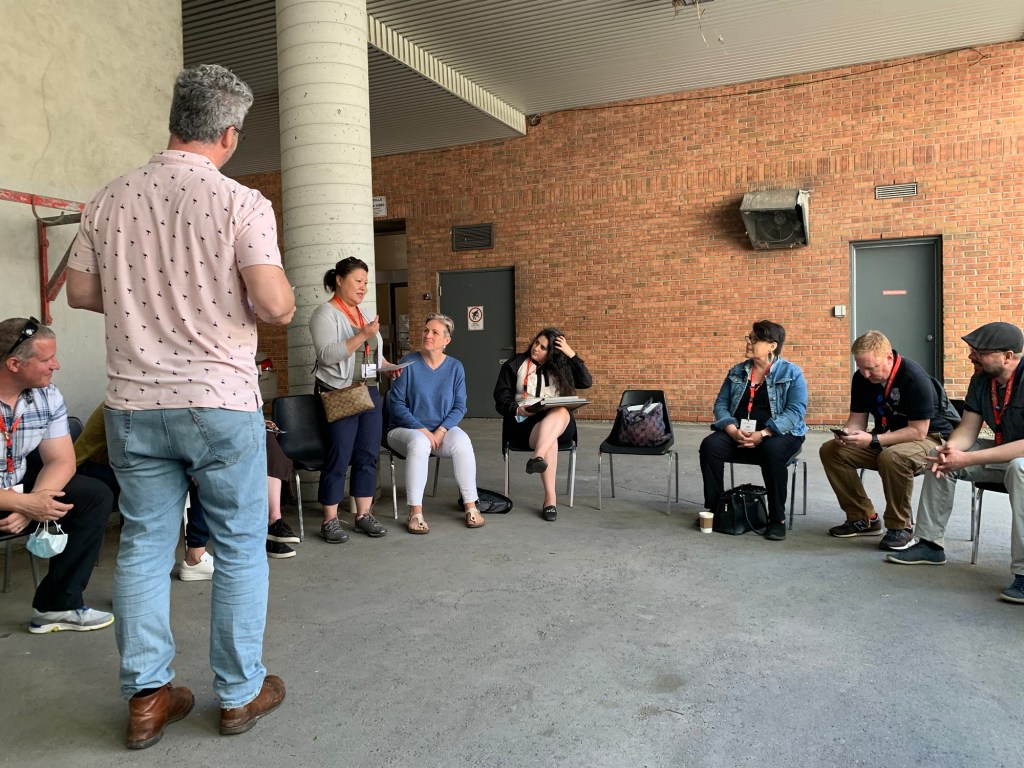
To explain how I ended up at this conference in 2023, I first have to share how I ended up at it in 2022. Sometime in 2018, a resident told me about this conference hosted by the Governor General and given my council experience they thought I should apply. I read through the info on the website, thought it was a cool opportunity as it focused on government, union, and business sectors and worked to expose conference attendees to different perspectives to broaden their leadership abilities. Organizations needed to pledge to support for an applicant by covering airfare and the conference would cover the remaining expenses. I verified with then city manager Kathleen Soltis if this was an allowable expense under the council remuneration bylaw which it was – so I applied. I found out I was shortlisted sometime in the summer and had to go through an alumni interview process. On Christmas Eve 2019, I found out that I was accepted to the GGCLC conference for the summer of 2020. I should say that about 2,500-5,000 people apply to the conference every intake and only 250 people are accepted – I did not know this at the time I applied.

Then covid-19 happened. And the conference was delayed. And they ran online zoom meetings for our cohort bringing in incredible professional speakers monthly for us to learn from – like we’re talking the Chief Economist of Scotiabank. Eventually, I actually got to go on the conference and it was one of the most incredible experiences of my life.

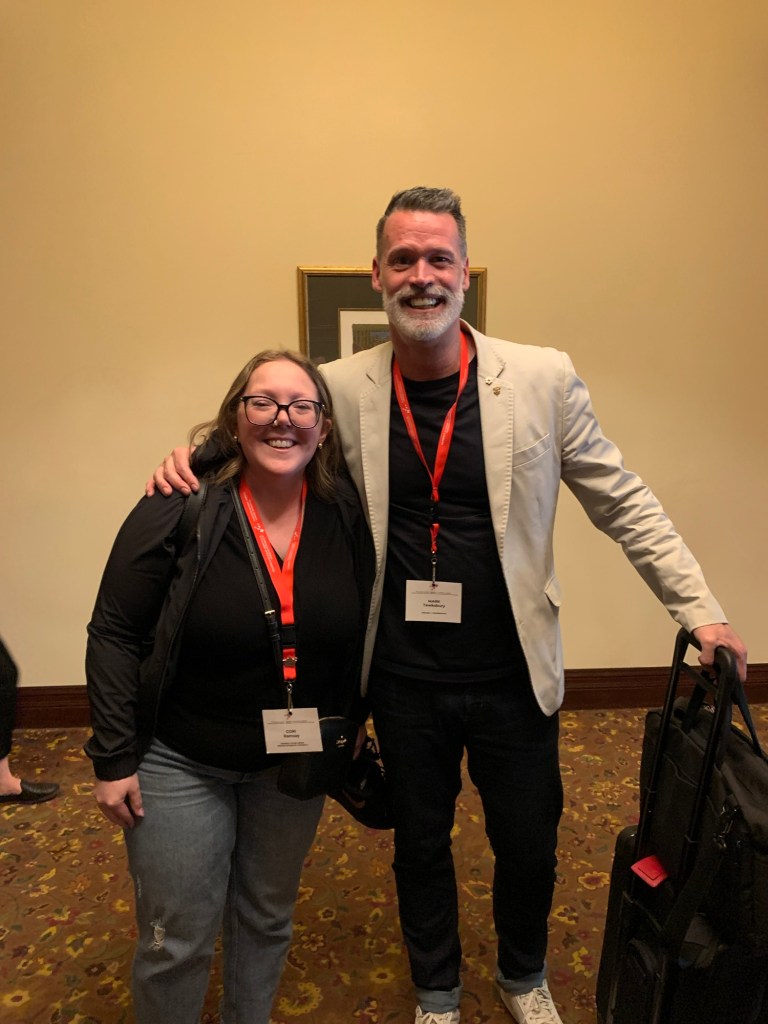
The conference started with three days of plenary in Huntsville Ontario. We heard from amazing speakers like Anil Amora, Chief Statistician of Canada, John Stackhouse Sr. Vice President, Royal Bank of Canada, Siobhan Vipond, Executive VP, Canadian Labour Congress, Naheed Nenshi, former Mayor of Calgary, Dr. Jane Philpott, former MP and Federal Health Minister, Glen Pearson, ED, Canadian Aid for South Sudan, Dr. James Niigaan Sinclair, Head, Department of Native Studies, University of Manitoba, Wes Hall, Chairman and Founder, BlackNorth Initiative, Mark Tewksbury, VP of the Board, Canadian Olympic Committee. And that was just the beginning.

We were then split into study tour groups and sent across Canada (one tour to every province except 2 to Quebec and 3 to Ontario) to learn about leadership over 9 days so that we might make a presentation to Her Excellency Mary Simon.

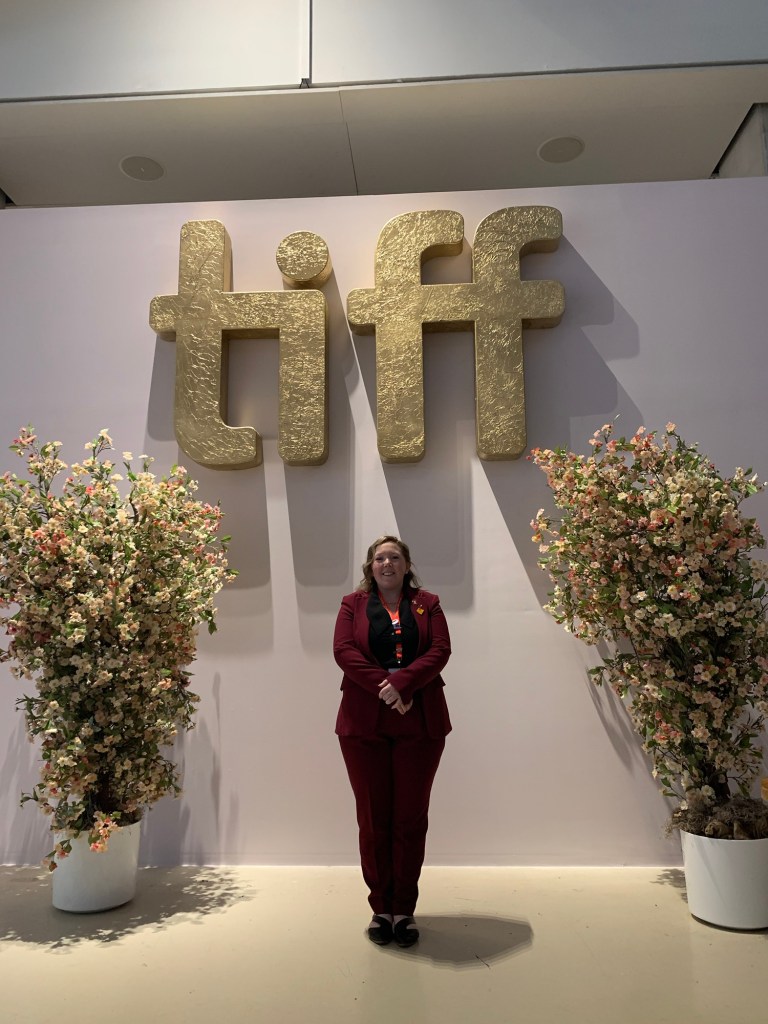
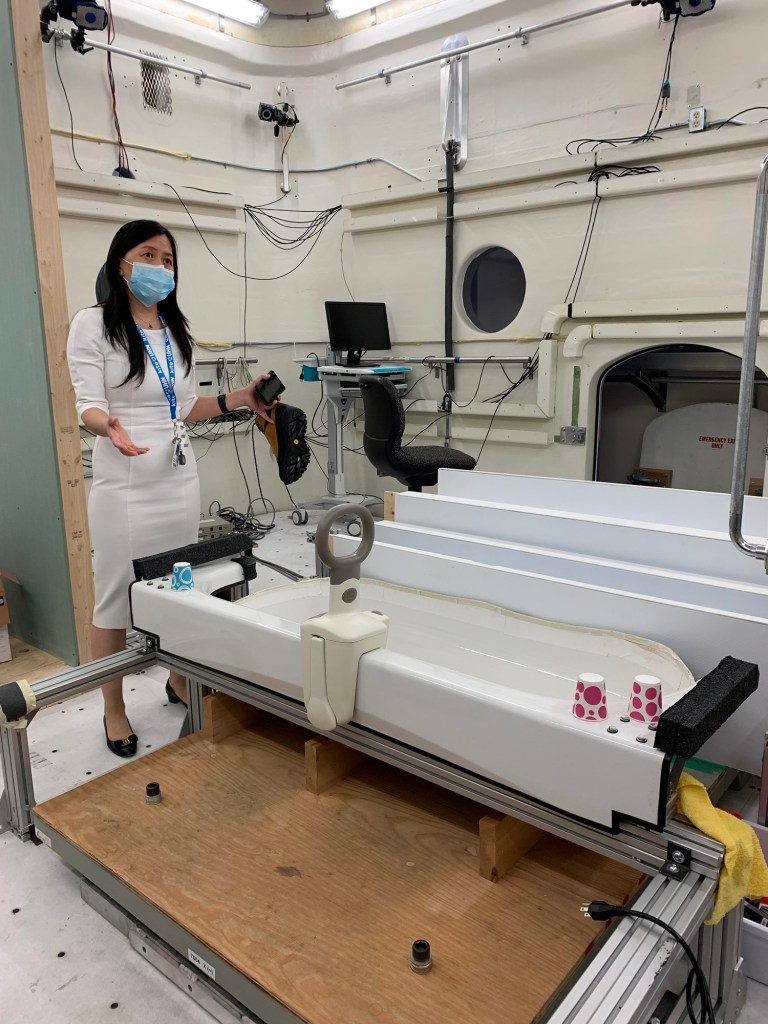
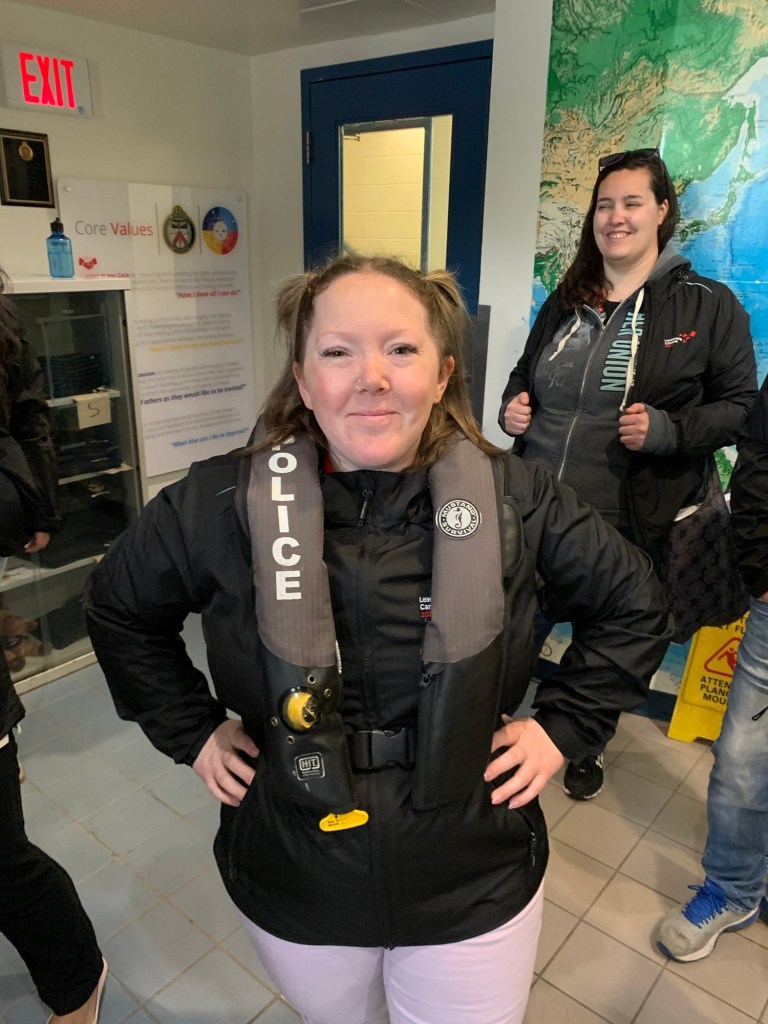
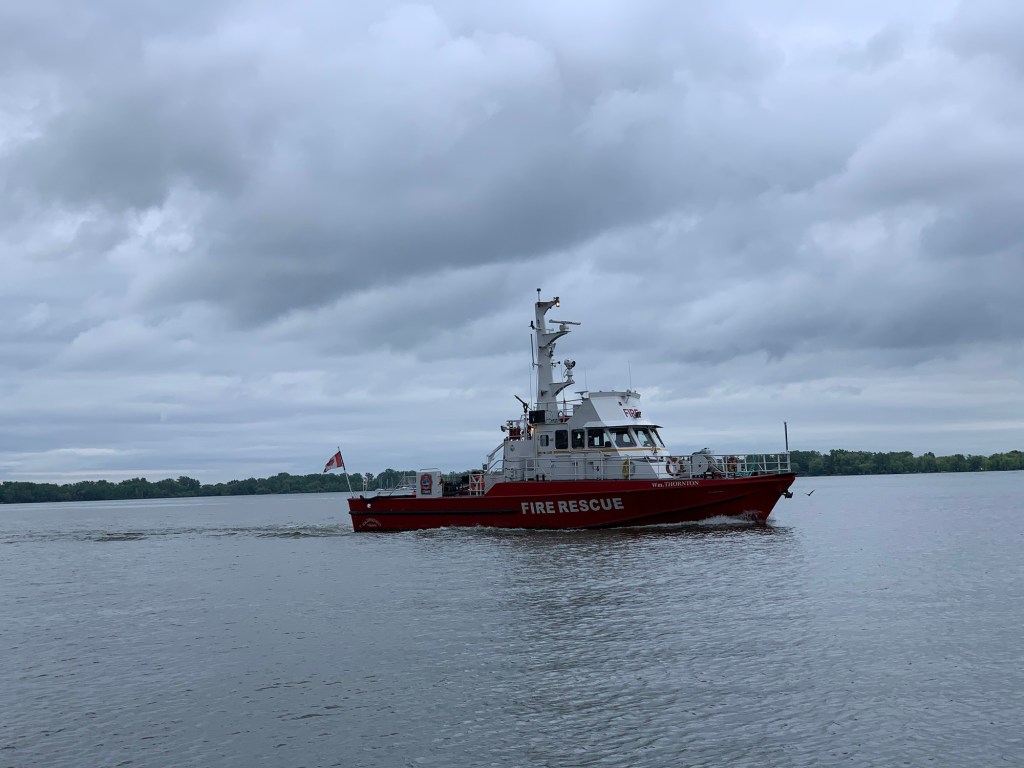
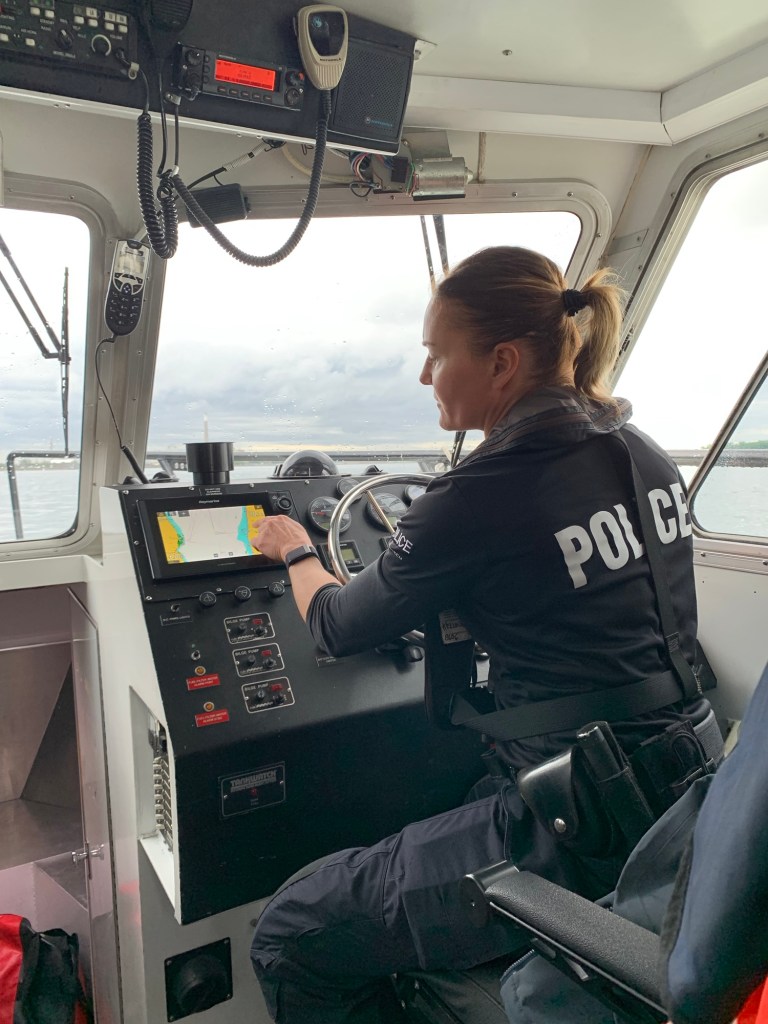
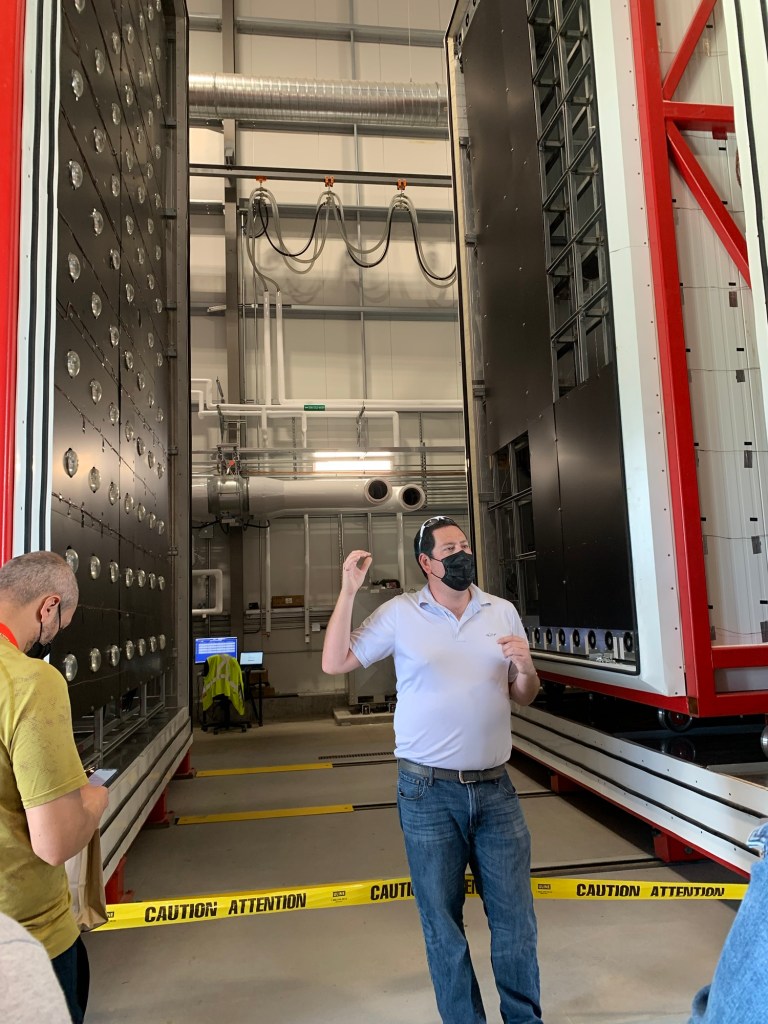
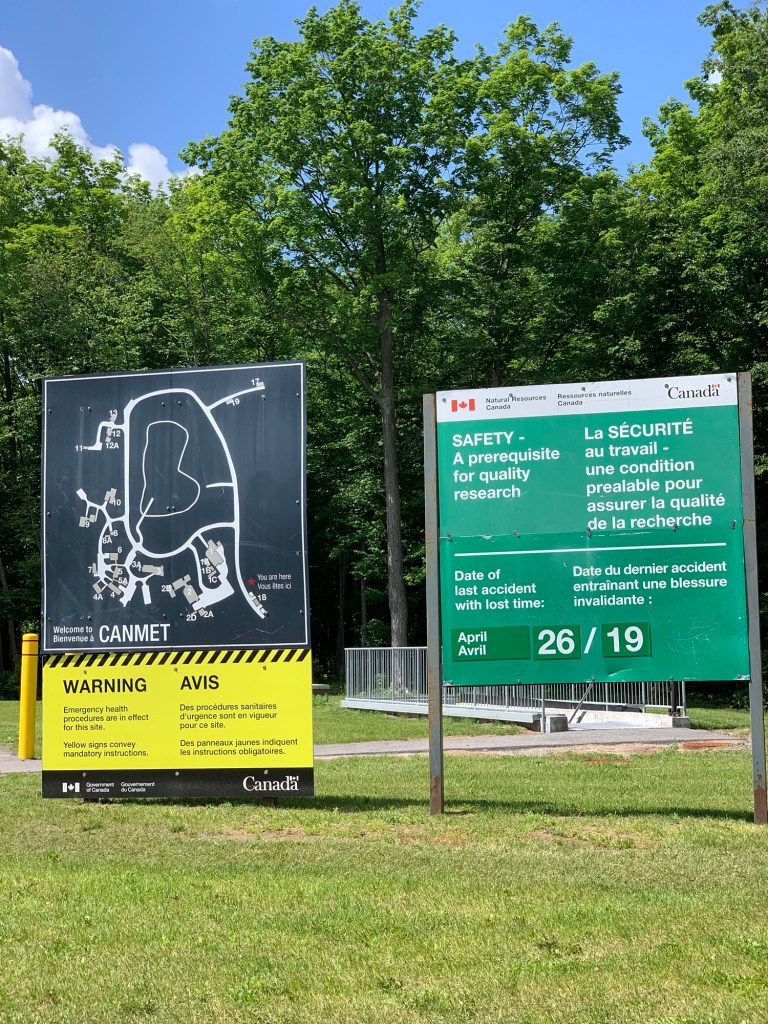
We stayed in the GTA for 3 days meeting the Mayor of Mississauga, touring the Amazon sortment facility, hearing from the Cocoa Cola plant leadership, visiting Blue Door, meeting with the Lieutenant Governor of Ontario, visiting Steam Whistle, the Gord Downie & Chanie Wenjack Fund, Oak Ridges Moraine, Toronto Film Festival, a panel discussion with the Ontario Nurses Association, hearing from Peter Slowly (yes, that one), meeting and touring around with the Toronto Police Marine Division. We also got to see cool research that is happening at the hospital in Toronto and hear from a Masters student on Alzheimer’s research they are undertaking with speech recognition software. Somewhere in here we also toured CANMET.

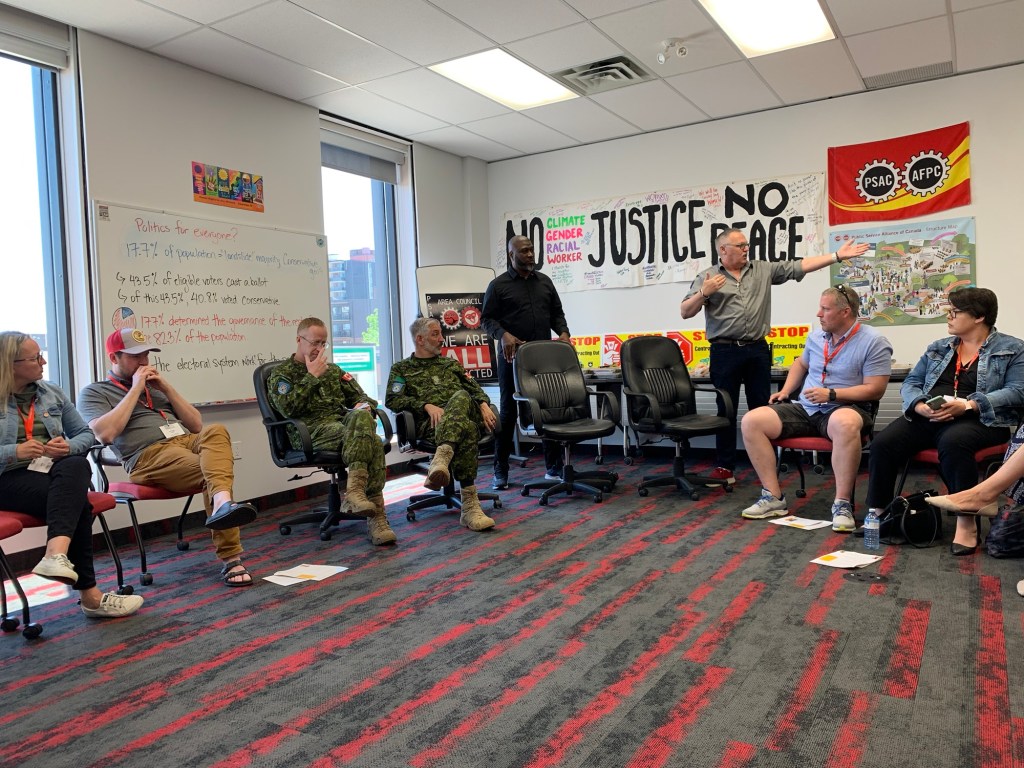
We then toured the tank museum in Oshwa, spoke with wineries from the Prince Edward region, visited Queen’s University Faculty of Medicine. We met with the Kingston Economic Development team and they toured us around showing us how they were tackling homelessness, we met with Lionhearts a group that had revitalized the food distribution system for struggling families, and also toured Collin Bay Penitentiary. We went inside and toured CSIS (the security protocols were intense). We met with the Grand Chief of the Mohawk Council of Akwesasne. Finally, we made our way to Ottawa meeting the Clerk of the Privy Council, met with the National Gallery ED, the River Keepers.

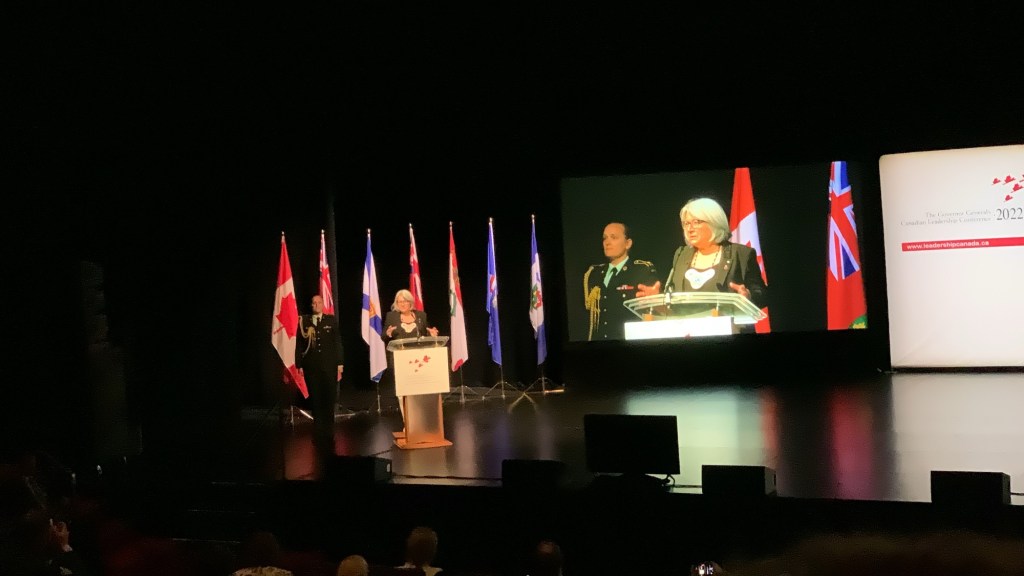
And then we had the closing plenary where each of the groups presented their findings to her Excellency on what we learned about leadership. This was a life changing leadership experience and I am so grateful for the opportunity to have attended.

That brings us to 2023.

GGCLC 2023

I received notification that the alumni network was organizing a one-off conference and it was open to any conference alumni. I verified with the City Manager on whether or not my council expense could be utilized for this conference and received confirmation.

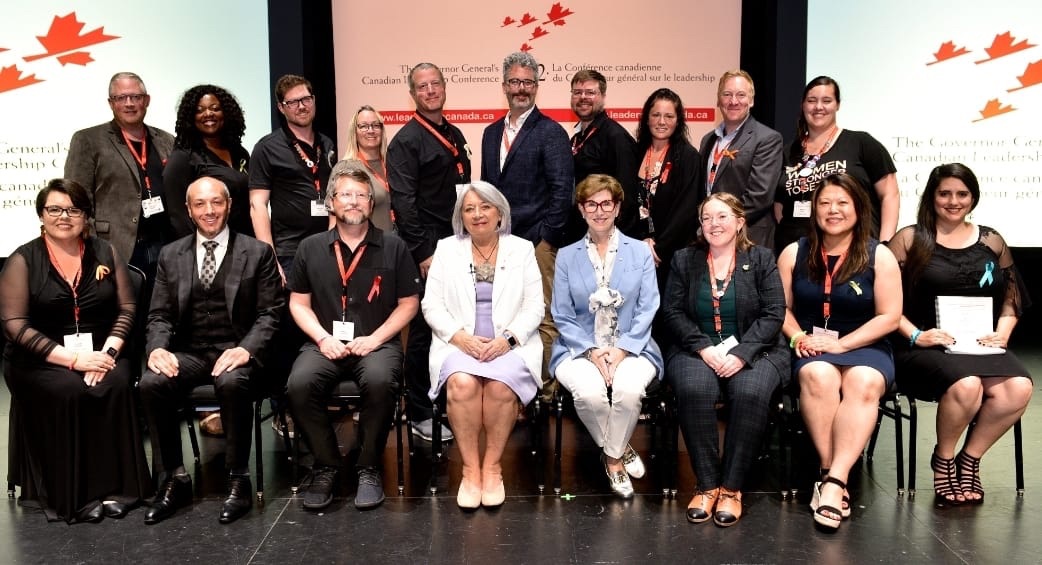
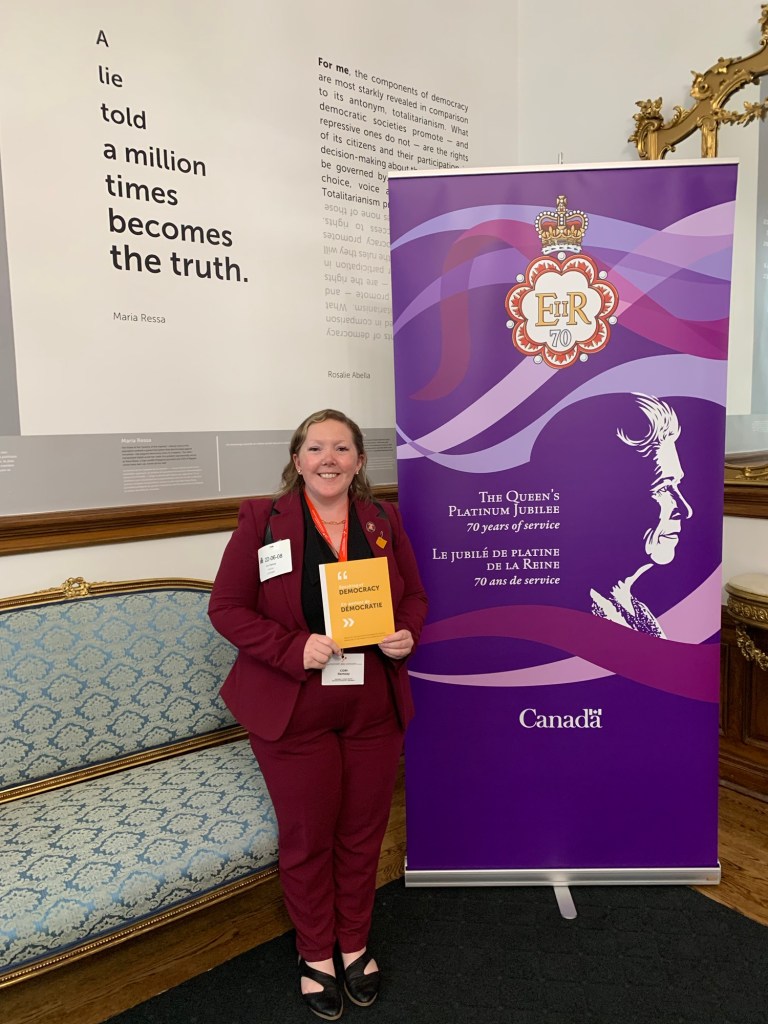
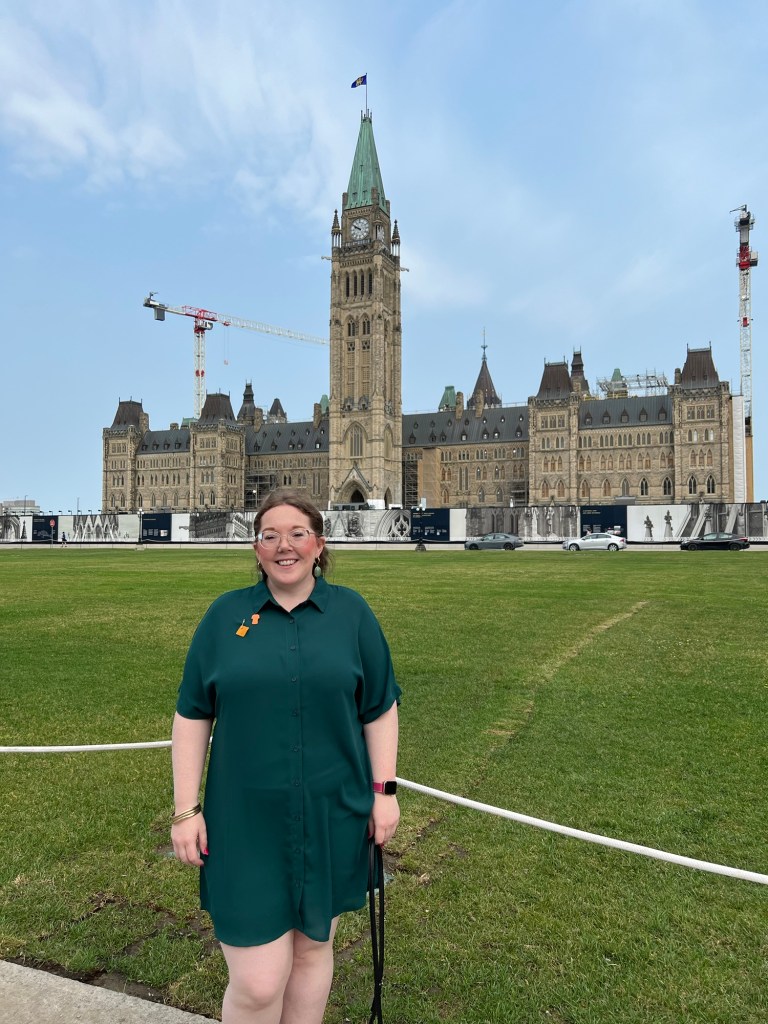
The conference started with a visit to the parliamentary lawn for the National Indigenous Day Celebrations. We kicked off the conference with a land acknowledgement from Elder Claudette Commanda, Chancellor, University of Ottawa. We then headed into plenary with a panel from Jesse Dame, Registered Nurse and Indigenous Gender and Sexual Health Lead, Vancouver Coastal Health. Next, we had a panel on Indigenous Leadership and Reconciliation in Action with the following speakers followed by some study group work:

  • Kory Wilson, Executive Director, BCIT (Moderator)
  • Peter Johnston, Grand Chief, Council of Yukon First Nations
  • Victoria LaBillois, Vice-Chair, National Indigenous Economic Development Board
  • Jessy Dame, Registered Nurse and Indigenous Gender and Sexual Health Lead, Vancouver Coastal Health
  • Aluki Kotierk, President, Nunavut Tunngavik Incorporated

The next day we started the session with a panel on Collaborative leadership in Canada hearing from:

  • Cathryn Andersen, Vice-President, Office of Indigenous Affairs, Memorial University
  • Isabelle Foisy, President, Cambre de commerce et d’industrie de la Rive-Sud and President, Point Cardinal (for this I needed my translation device)
  • Mohammed Hashim, Executive Director, Canadian Race Relations Foundation
  • Jacqueline O’Neill, Canada’s Ambassador for Women, Peace and Security, Global Affairs Canada
  • Lana Payne, President, UNIFOR

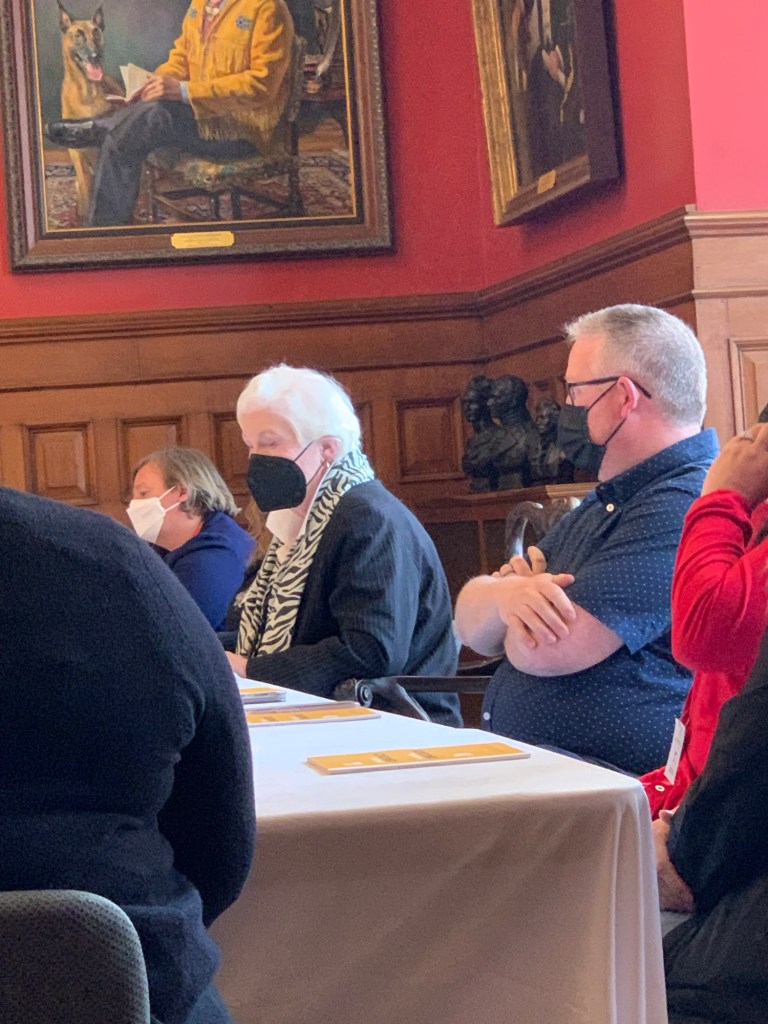
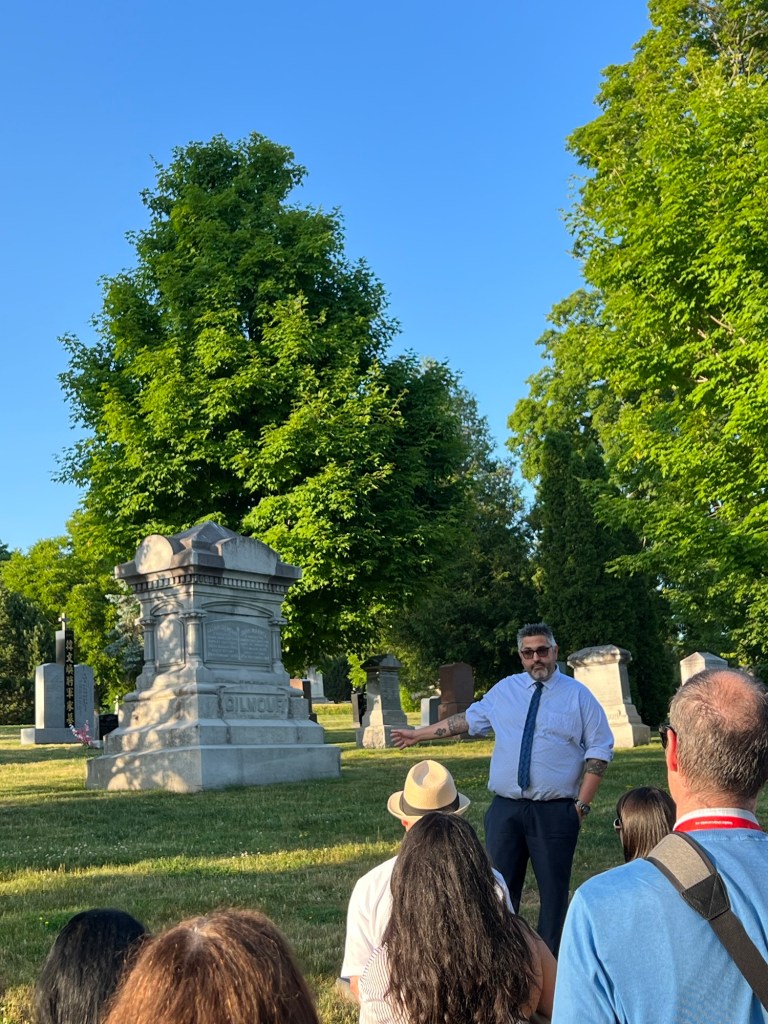
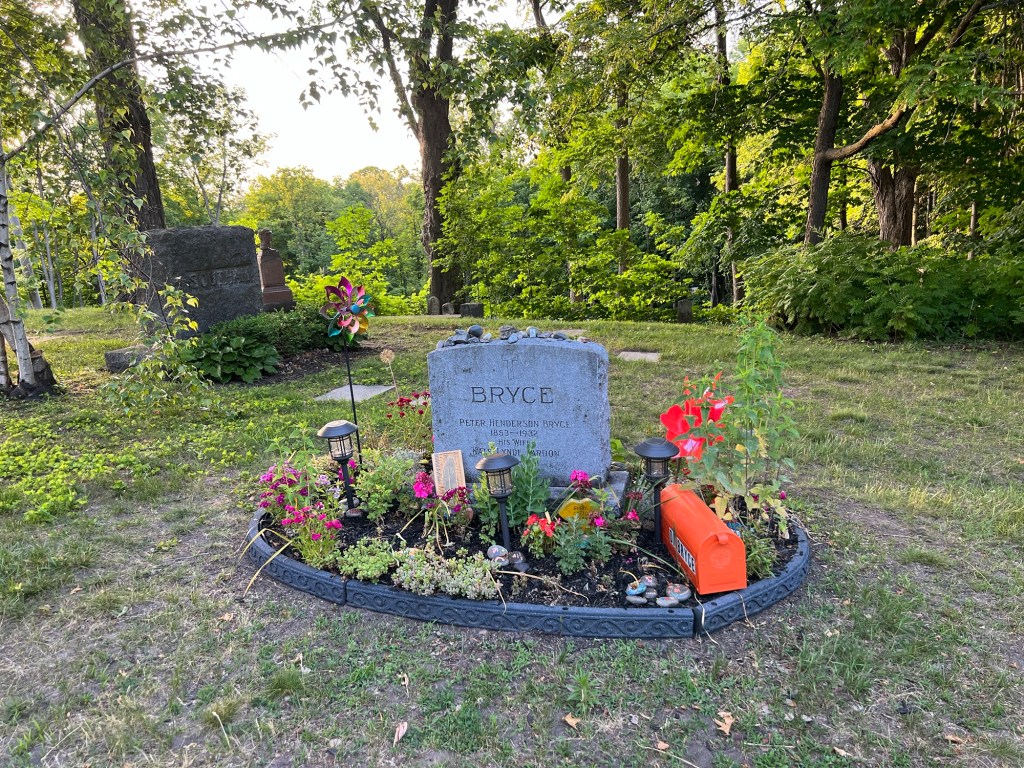
We then headed into group discussions with the ability to choose from 12 different topics – I chose Decline of Public Trust in Institutions: Is Democracy in Danger which was facilitated by Mehrdad Hariri. We ended the day with a powerful tour of Beechwood Cemetery called the Reconciling History Program.

The final day of the conference we started the day with a panel called Leading in a Constantly Evolving World and heard from the following speakers:

  • Yves Pelletier, Associate Vice President, Francophonie Univeristy of Ottawa
  • Nadine Duguay-Lemay, President, Cohesia
  • Brendan McCracken, President and CEO, Ovintiv
  • Natan Obed, President, Inuit Tapiriit Kanatami (honestly one of the most incredible speakers I’ve ever heard)
  • Sussanne Skidmore, President, BC Federation of Labour

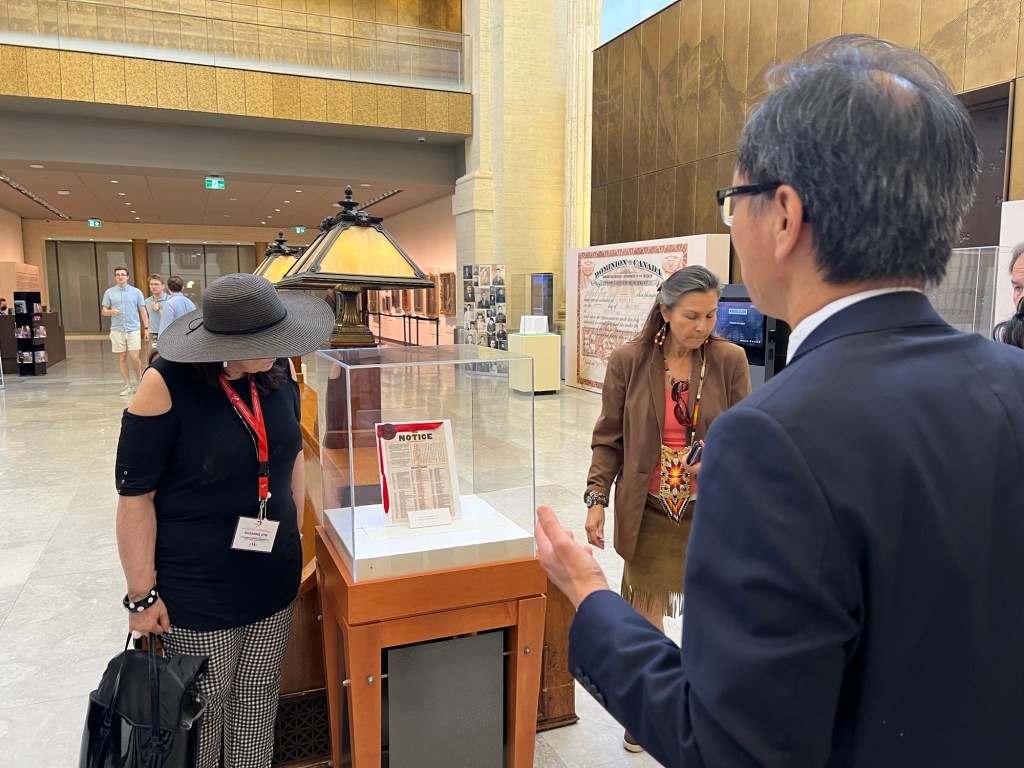
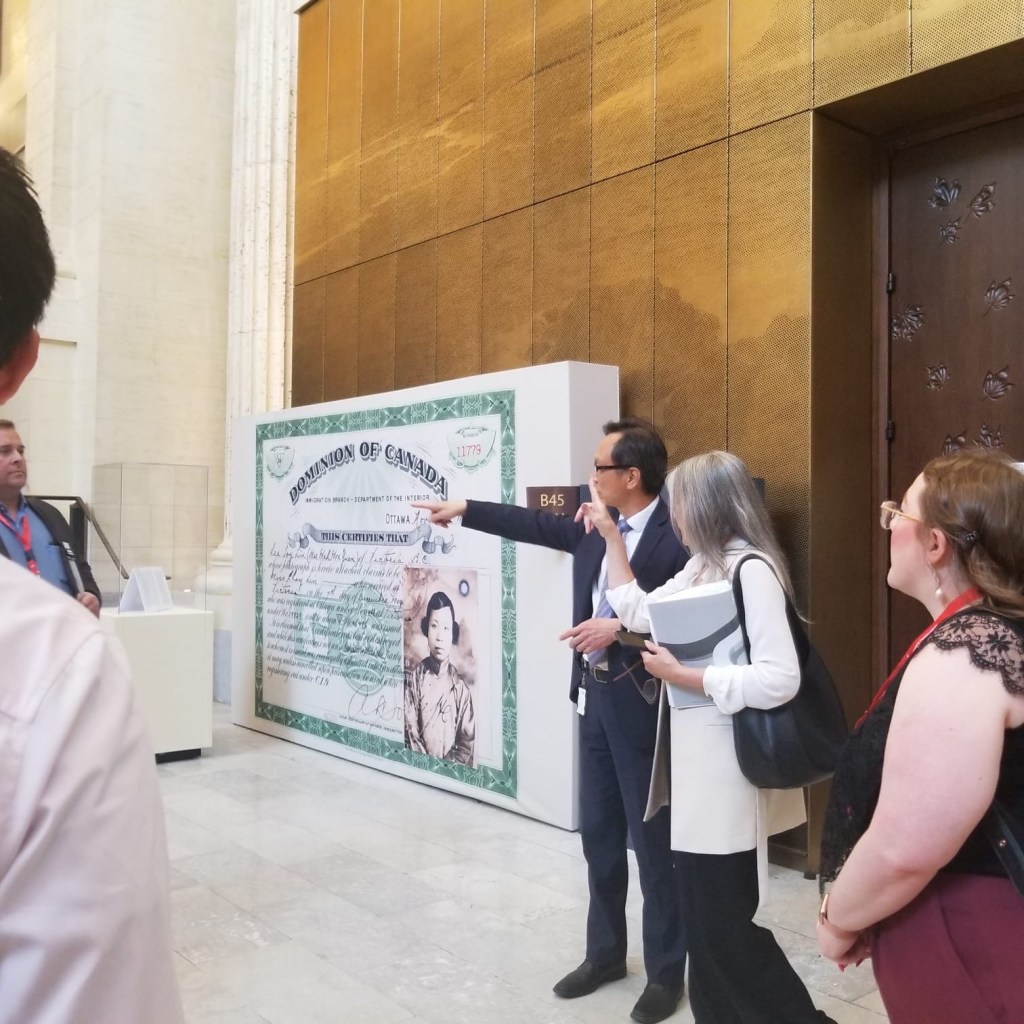
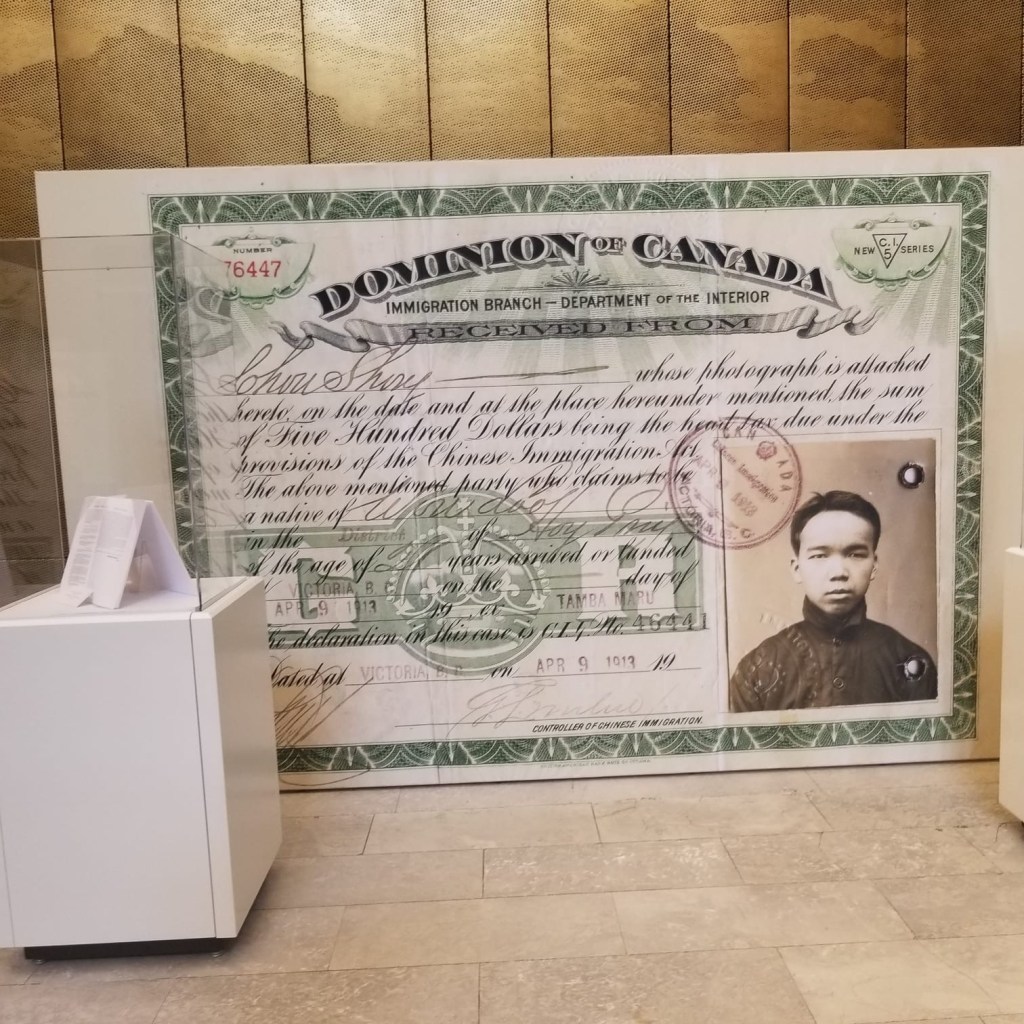
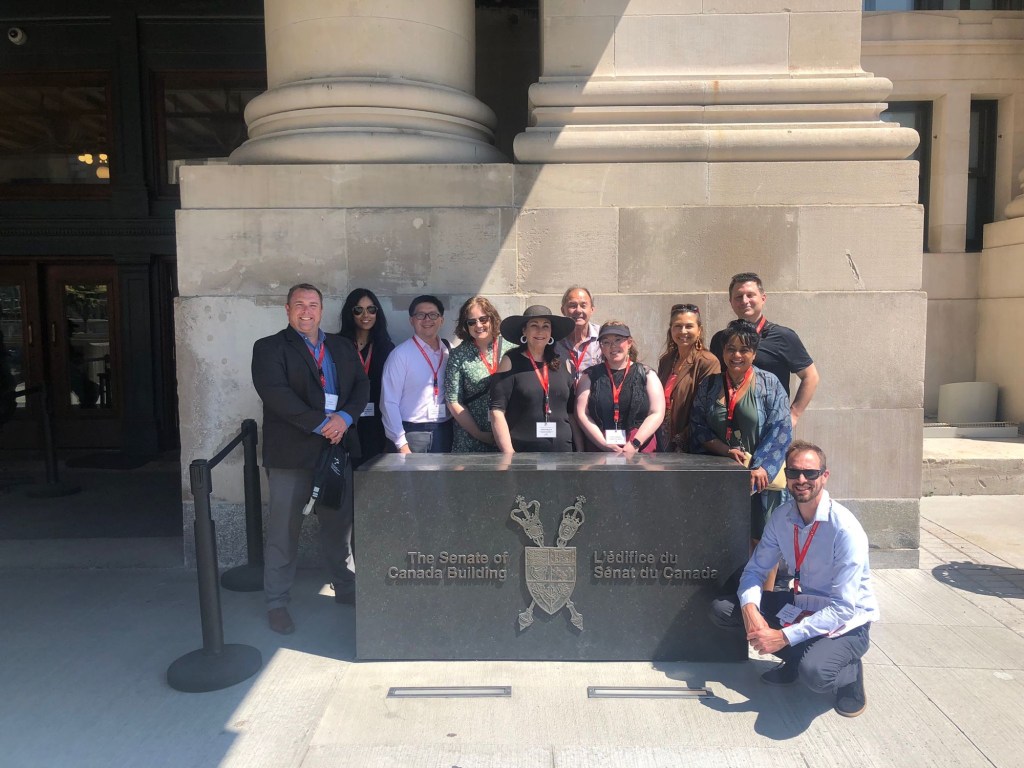
We spent the afternoon in study tours visiting Senate of Canada with Senator Woo who was giving us a tour of the 100 Years after the Chinese Exclusion Act Exhibition. Unfortunately (or fortunately) the bell rang while we were in the middle of the tour and he had to RUN into senate chambers for the vote of Bill C-18. We were invited to the gallery to watch history in the making. I knew immediately that this vote would drastically impact northern communities including Prince George.

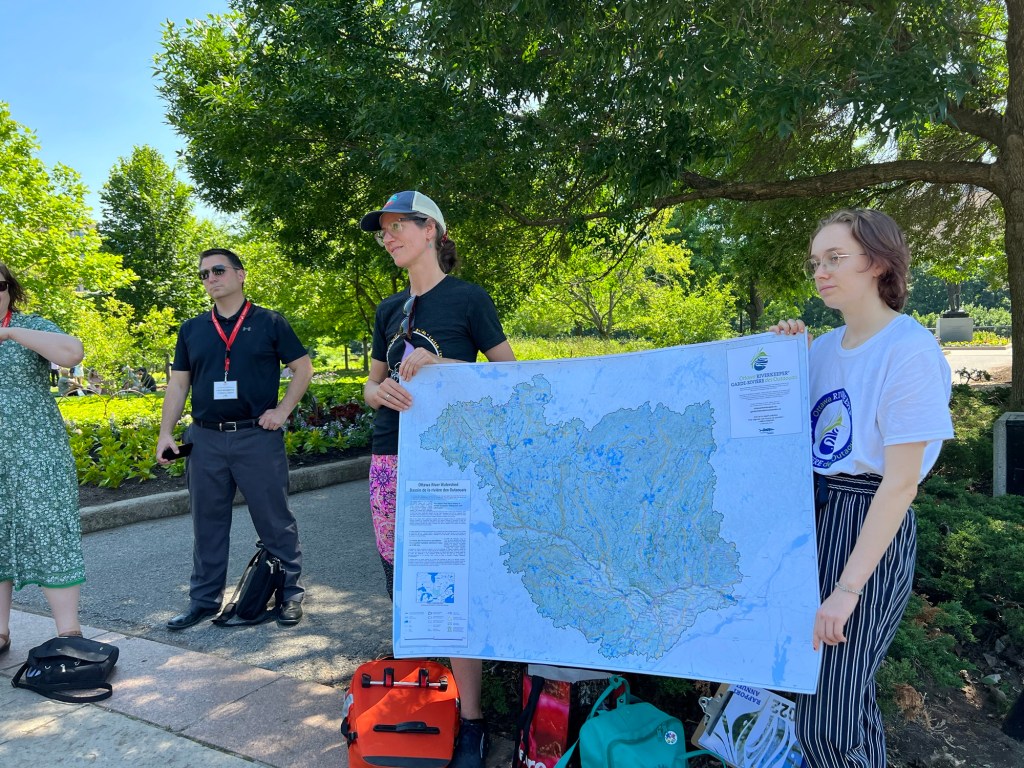
Our second tour was with the Ottawa River Keepers and it was great to connect with them again a year later to learn about watershed projects they were working on and learnings from the previous year.

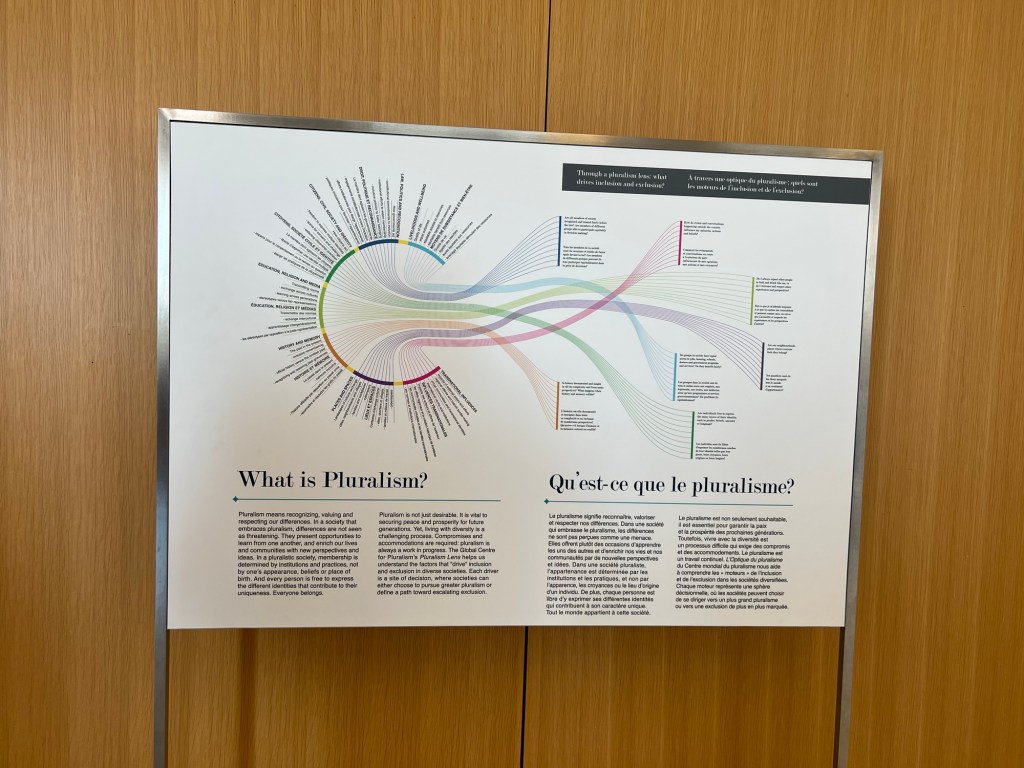
We finished with a tour at the Global Centre for Pluralism and this was very influential for me. For a while now I have felt like polarization is degrading democracy and pulling us a part and not really known what the answer was – now I know it is pluralism. I applaud the work they are doing here because it really is spectacular and I use these learnings in particular when I approach debate and in how I choose to lead.

So some might say this was not relevant to my council work, I beg to differ.

UBCM

At the beginning of September, UBCM reached out and asked me if I would be interested in speaking at Convention on a housing panel. They were interested in the top housing issues we were experiencing, our infrastructure needs for anticipated population growth, and examples of what is working well in our community. I eagerly agreed to participate.
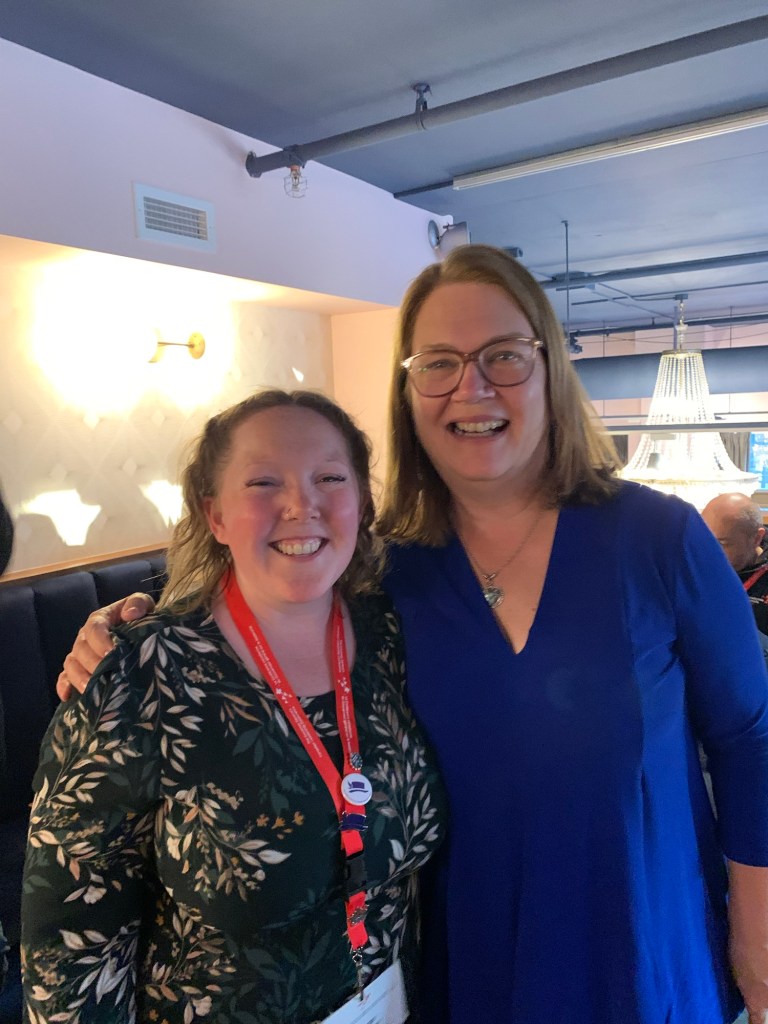
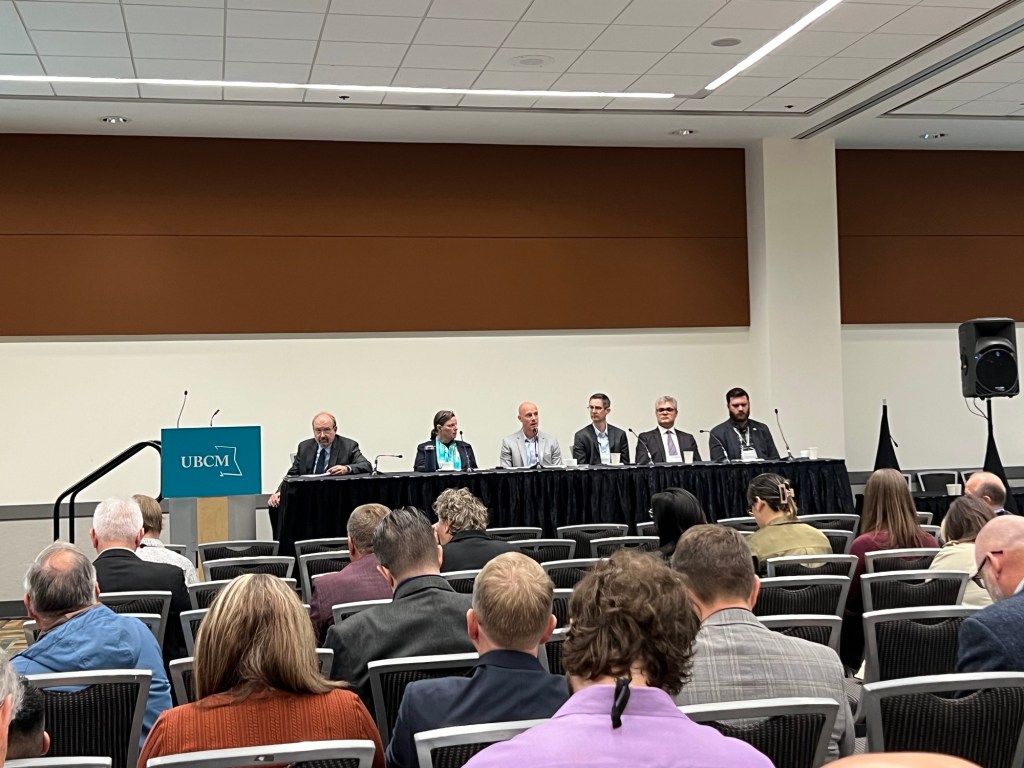
At convention, I attended a morning session on Decriminalization and Public Use. The session had Bonnie Henry on the panel and was naturally packed with probably 200 people in a small conference room. My panel session was in the afternoon and I assumed it would be in a similar sized room – and I was wrong – it was in a ballroom with probably between 500+ seats, most of which were filled for the session. I shared about our experience and received really great feedback from a number of individuals.

The rest of the conference was business as usual with community workshops, resolutions, panels, and more. We had a series of Minister Meetings that our council attended advocating on issues for our community. I ran for Director at Large and was elected.
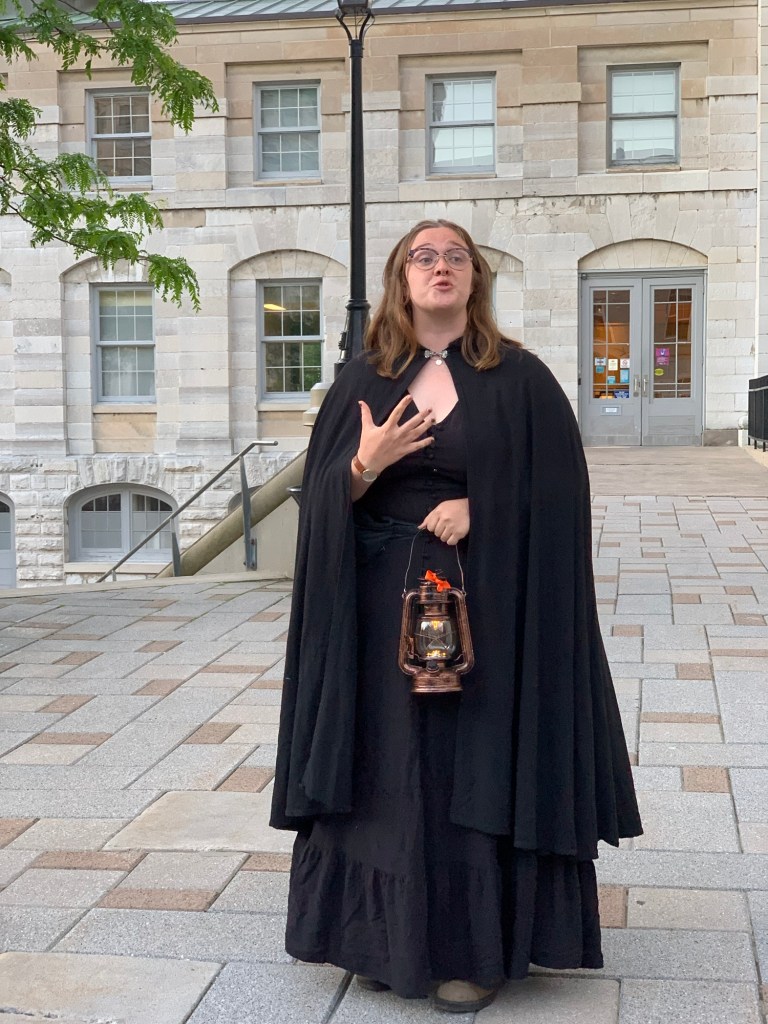
Learnings, networking, advocating, and more!

All in all, I would say 2023 was a successful year of conferences, learning, networking, advocating for Prince George. I’ve made many connections that I know I can call on to ask questions, advice, feedback or experiences. The learnings and experiences I take away from these conferences will help inform my decision making moving forward.

I know this was a long blog, so thanks for those who made it to the end. Should you have any questions, comments, or feedback, please reach out. And if there’s something you think I should know that will better inform my work, please get in touch!

UBCM Response to Bill 45

It has been a long while since I have written a blog. And I love blogging, like a lot. But in today’s polarizing world, being vulnerable especially about complex problems with varied opinions, is not as easy as it used to be. The backlash seems harsher and yeah, my skin is occasionally thick but most of the time it’s not. So, please be gentle with me as I attempt to blog more.

Last week I attended my first UBCM board meeting of the 2023-2024 term in Vancouver. The UBCM board is an incredible group of elected officials coming together, doing important advocacy for local governments across the province. We have an amazing group elected to the board including our awesome President Trish Mandewo, Councillor for the City of Coquitlam. You can learn more about UBCM on their website here.

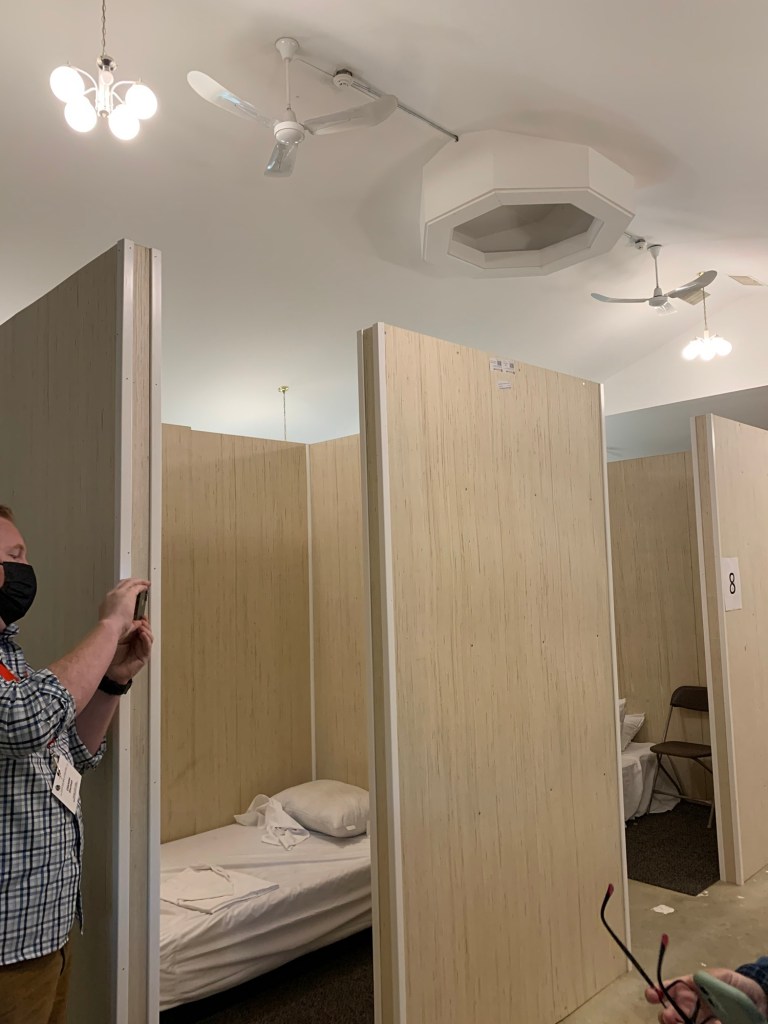
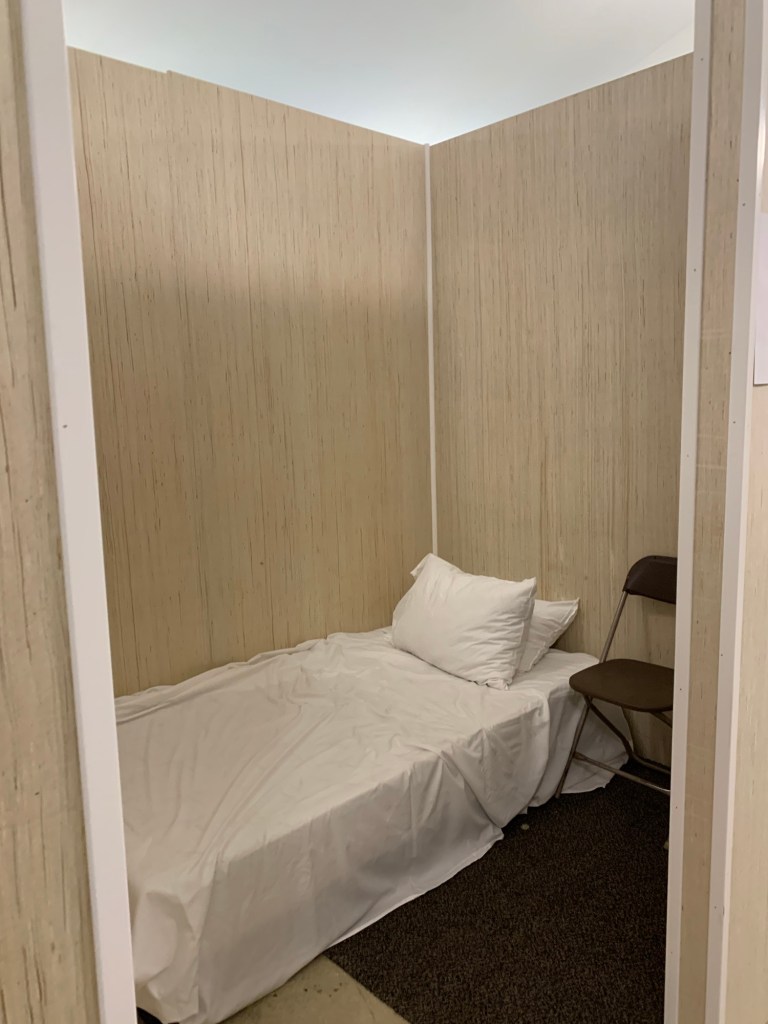
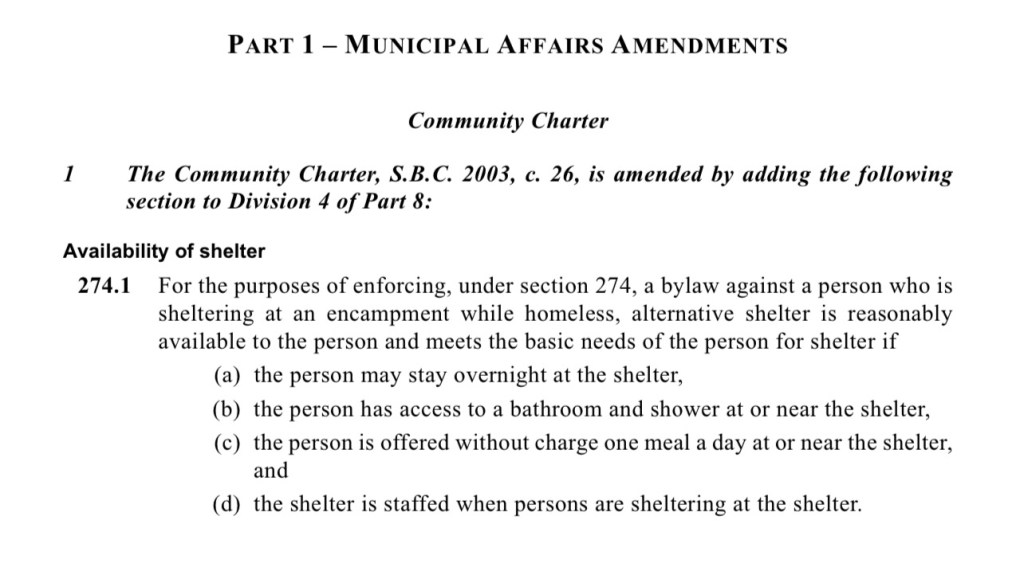
An important topic of conversation was Bill 45 called the Miscellaneous Statutes Amendment Act (No. 4), 2023. This bill makes an amendment to the Community Charter and the Vancouver Charter and basically says that in order to enforce a bylaw against a person who is sheltering in an encampment, local governments will have to ensure alternative shelter is reasonably available.

There are a few problematic issues with this legislation, the main one being that it is being put through some miscellaneous statutes act without local government consultation. And local governments have questions, like what does this mean for how we govern our communities?

There are so many unanswered questions and without doing proper consultation, it is the opinion of many that this piece of legislation does a disservice to everyone in our community. Here’s how President Trish Mandewo put it in her op-ed in today’s edition of the Vancouver Sun:

“This is a lose-lose-lose scenario — for homeless people who need appropriate housing, for residents who are concerned with the fate of so many individuals who have no other choice than to camp, and for local governments which have the responsibility for maintaining parks and public spaces for the use of the community. It does not have to be this way.”

There are many reasons why this legislation needs to be withdrawn and for local government consultation to occur. You can read more about Bill 45 in the full op-ed here.

In addition to Bill 45, there are many important issues facing local governments every day and a lot of that work seems to be incredibly invisible. Know that many of your council members are working hard behind the scenes to find answers to complex questions and a lot of this takes time. And while that time passes, I recognize that residents are becoming increasingly frustrated, and fairly so – you have every right to be frustrated because admittedly, the answers aren’t coming soon enough. And there might not be anything I can say that will lessen that frustration – but know that I continue to work hard on these issues with several of my colleagues locally and across the province. I will continue to answer your questions the best I can, learn, grow and govern in a way that moves us closer and closer to a win-win-win resolution.

Should you have any questions that need answering, or want to provide comments, please feel free to contact me.

Thanks for reading.